Xiaomi is a disruption in the consumer electronics industry by redefining the traditional business practices of the phone platform. From its founding as a little-known Chinese startup to becoming one of the largest smartphone manufacturers, Xiaomi takes on major players in the phone industry, such as Apple and Samsung.
Xiaomi’s success is built on the foundation of not only offering low-priced smartphones but also defined pricing models, innovation driven by its user community, and a unique business model focused more on the satisfaction of its consumers than on the maximization of profits. Worldwide, Xiaomi has established itself as a leading technology brand and is confident of expanding in the regions of Asia, Europe, and the emerging markets of India.
To illustrate the evolution of Xiaomi, this article details many aspects, including its founders, the company’s current strategy, the ecosystem of products Xiaomi provides, challenges faced during its evolution, and the projected future vision.
Founders of Xiaomi and the Vision Behind the Brand
Lei Jun: The Steve Jobs of China
Founded in 2010 by Lei Jun, who is sometimes called the “Steve Jobs of China,” Xiaomi is a company that has its roots in the Chinese technology industry. As a successful businessperson in the technology sector before founding Xiaomi, Lei Jun knew how to combine the software and hardware sides of the business.
His vision was simple yet powerful:
Create high-quality technology products at honest prices.
Instead of concentrating on the luxury brand markets, Lei Jun believed that technology should be available to the masses, rather than just the rich.
What Is Xiaomi? Understanding the Brand Beyond Smartphones
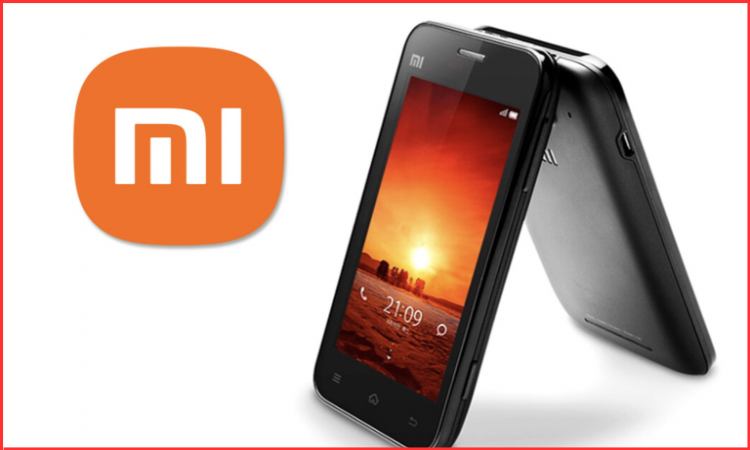
Xiaomi is not just a smartphone company. It is a consumer electronics and smart ecosystem brand that operates across multiple categories, including
- Smartphones
- Smart TVs
- Wearables
- Smart home devices
- IoT products
Xiaomi follows a “Smartphone × AIoT” strategy, meaning smartphones act as the core, while smart devices form a connected ecosystem around them.
Xiaomi Company Overview
| Aspect | Details |
| Company Name | Xiaomi Corporation |
| Founded | 2010 |
| Founder | Lei Jun |
| Headquarters | Beijing, China |
| Industry | Consumer Electronics & Technology |
| Global Presence | 100+ countries |
| Known For | Affordable smartphones, IoT ecosystem |
How Xiaomi Disrupted the Smartphone Market
Affordable Pricing with Premium Features
A major factor in why Xiaomi has been successful in a short amount of time is that they were able to add premium-type features into their mobile devices but still sell at the lower price ranges of other smartphone manufacturers like Apple, Samsung, etc. This occurred because of how Xiaomi kept profit margins very thin (normally at a range of under 5%) and instead focused more on volume than high profit margin sales.
Because of this strategy, Xiaomi mobile devices became very cost-effective to consumers in markets such as India, Indonesia, and other parts of Southeast Asia.
Online-First Sales Strategy
Due to not using high-priced offline retail when launching its brand, initially, Xiaomi sold all of its devices via online flash sales. The elimination of the cost associated with maintaining inventory, marketing, distributing, and other selling expenses enabled Xiaomi to offer aggressive price points when compared with competing smartphone manufacturers.
MIUI: Xiaomi’s Software Advantage
Xiaomi’s custom Android OS MIUI is one of the main drivers of customer loyalty for Xiaomi. Unlike many technology companies, Xiaomi sees MIUI as an extension of the community rather than a byproduct.
Xiaomi not only allowed customers to provide feedback, help them identify bugs, and suggest new features, but they also made them feel like they were co-creating the product rather than simply purchasing it.
Xiaomi Business Model Explained Simply
Xiaomi follows a three-layer business model:
- Hardware – Smartphones, TVs, wearables (low profit margins)
- Internet Services – Ads, subscriptions, apps
- Ecosystem Products – Smart home and lifestyle devices
Xiaomi in India: A Game-Changing Market
In just a few short years, India became one of Xiaomi’s top markets because of Xiaomi’s ability to understand the needs of Indian consumers, such as battery life, camera quality, and value. As a result, Xiaomi rapidly became a market leader in India.
In addition, Xiaomi has heavily invested in local manufacturing to support the Make in India initiative, thereby increasing trust in the brand among Indian consumers.
Challenges Faced by Xiaomi in Its Growth Journey

Despite its success, Xiaomi faced several challenges:
- Intense competition from Samsung, Apple, and Realme
- Regulatory and data privacy concerns
- Thin profit margins
- Supply chain disruptions
How Xiaomi Stands Apart from Other Smartphone Brands
Xiaomi’s customer-centric culture differs from other manufacturers because it is very customer-focused and relies more on “word-of-mouth” recommendations, social media interactions, and community-based marketing than on traditional advertising.
The company’s ecosystem approach is designed in such a way that users remain loyal to the Xiaomi product suite. This means that the value the company derives from its customers increases over time.
Xiaomi’s Role in the Global Tech Ecosystem
Xiaomi has played a significant role in democratizing technology by providing affordable, high-quality products to millions of people around the world through its product offerings, enabling them to use smartphones and smart devices.
Xiaomi has also contributed to increased digital adoption in developing countries around the world.
Future Outlook: What’s Next for Xiaomi?
Xiaomi’s future strategy focuses on:
- Artificial Intelligence (AI)
- Electric Vehicles (EVs)
- Advanced AIoT ecosystems
- Sustainable and green technology
Conclusion
The story of Xiaomi is an example that innovation does not equate to higher prices. Based on user requirements and user experience, cost efficiency, and user satisfaction, Xiaomi has become a global leader in the smartphone industry from being a start-up company.
For start-ups and entrepreneurs, Xiaomi teaches that you must build your trust with the customer first, and then the profits will come.
FAQs
1. What does it mean that Xiaomi is a value-for-money brand?
Xiaomi has a low-profit margin on its products, and it concentrates on scaling its production to allow for offering values associated with high-value products at the lowest cost.
2. Does Xiaomi focus solely on Smartphones?
No, the Xiaomi brand is part of a vast ecosystem which includes: televisions, wearable devices, household appliances, and the Internet of Things.
3. Is Xiaomi a Government-Owned Company in China?
No, the company is publicly traded and privately owned.
4. Why is Xiaomi so famous in India?
Xiaomi offers affordable prices and has established local manufacturing centers in India, in addition to developing products specifically for Indian consumers. This is why Xiaomi has been successful.
5. Is Xiaomi entering the electric vehicle market?
No. In 2026, Xiaomi had already entered the electric vehicle (EV) market and continued to expand its automotive business.