(Image Source: Shutterstock)
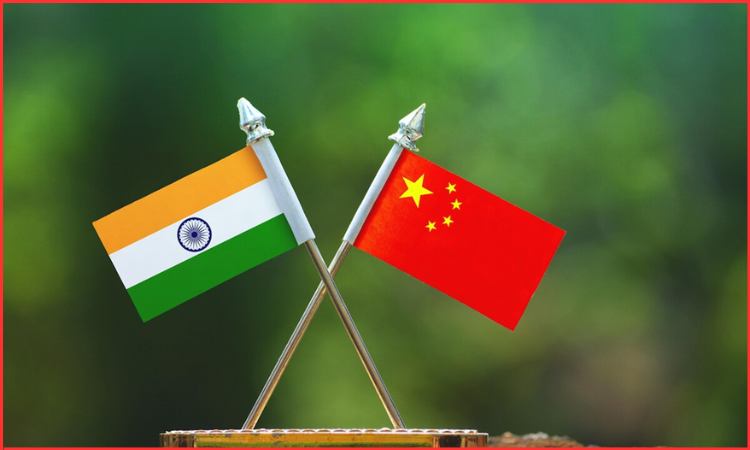
India has quietly made a significant policy shift that signals a cautious thaw in ties with China. New Delhi has streamlined business visa procedures for Chinese professionals, cutting approval times from months to under four weeks by eliminating layers of bureaucratic scrutiny that had accumulated since the 2020 border clash.
The move marks one of the most consequential changes in India-China relations in recent years. China’s foreign ministry spokesperson Guo Jiakun immediately called it a “positive action” that promotes people-to-people exchanges and serves the common interests of both nations. The swift endorsement suggests Beijing views the gesture as a meaningful step toward normalizing business ties.
Why This Matters Economically
For years, Indian manufacturers have been bleeding money because they couldn’t get Chinese technicians into the country fast enough. Electronics companies assembling mobile phones, solar equipment makers, and electronics component manufacturers depend heavily on Chinese expertise to install, maintain and troubleshoot specialized machinery. When visas took months to process, factories faced production delays worth billions of dollars.
Industry estimates suggest the restrictive visa regime costs Indian electronics makers approximately $15 billion in lost output over four years. Companies like Xiaomi struggled to get technicians into India to support operations. The constraints hampered India’s ambitions to scale up domestic manufacturing and compete globally.
By cutting approvals to under four weeks, India removes a major impediment to production efficiency. Officials said they have “completely resolved” visa issues that had plagued manufacturers.
The Political Context
This policy shift doesn’t happen in isolation. Prime Minister Narendra Modi visited China earlier this year, his first trip in seven years, and met with President Xi Jinping to explore incremental normalization. Direct commercial flights between the two countries resumed in October after years of suspension. China launched an online visa application system for Indian nationals, set to go live on December 22. These aren’t random gestures. They represent a coordinated effort by both governments to rebuild business ties after years of frozen relations stemming from the 2020 Galwan Valley border clash.
A high-level committee led by former Cabinet Secretary Rajiv Gauba has been examining ways to streamline investment rules and improve sentiment among foreign investors. The visa relaxation is one outcome of that effort.
The Tariff Factor
Timing matters. As the United States imposes record-high tariffs on Indian exports, Prime Minister Modi is carefully rebalancing India’s foreign policy. Engaging China doesn’t mean abandoning caution on security concerns, but it does mean recognizing that Indian manufacturing needs access to global supply chains and expertise.
Beijing understands this dynamic. Chinese companies looking at manufacturing in India or collaborating with Indian partners will find the business environment more welcoming now.
Industry Response
Industry groups have embraced the change. Pankaj Mohindroo, chairman of the Indian Cellular and Electronics Association, called the accelerated approvals a “collaborative approach” at a moment when India is trying to expand its manufacturing base. The electronics and solar sectors are particularly eager for faster technician mobility.
Caveats and Safeguards
Officials emphasize that India remains “cautious” in its approach. The visa relaxation doesn’t mean wide-open borders. Security vetting continues but is streamlined rather than eliminated. China’s role in frontier disputes and strategic concerns remain unchanged. This is calibrated easing, not wholesale reversal of policy.
Both governments appear to have reached a pragmatic understanding: cold economic relations hurt everyone. But neither side is naïve enough to pretend larger geopolitical tensions don’t exist.
For now, the visa acceleration sends a clear message: India and China have decided that doing business is worth the effort.