(Image Source: jobberman)
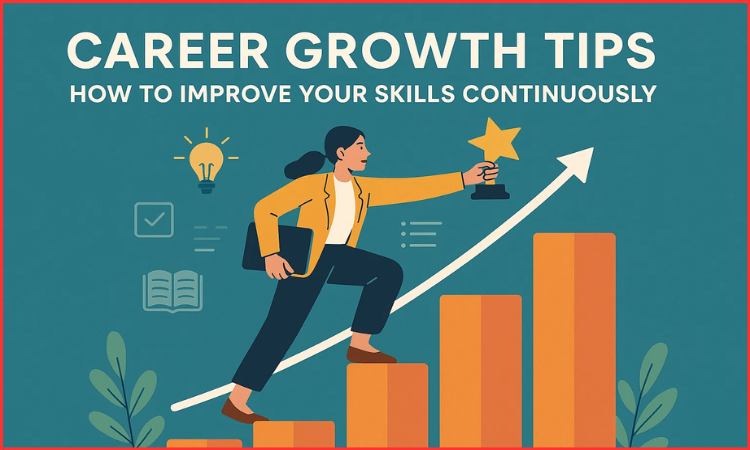
In today’s World that is constantly changing, don’t just come to work to grow your career; to grow your career, you have to continually invest in being current, competitive, and confident by improving your skills. You will never know how far you may go until you develop the ability to learn, unlearn, and relearn; it doesn’t matter if you are a student, a recent graduate, or a working employee. This article provides several Practical Tips For Career Growth using a Structured Layout, including detailed Section Titles, Persuasive Paragraphs, Tables, and Bold Keywords that make it simple to Learn and Use.
What Is Continuous Skill Improvement?
When you keep improving your skills over time (both technical and soft) and adjusting your business mindset to stay in step with current industry developments, you are engaging in what is known as “continuous skill improvement”. Continuous skill improvement is not something you complete; it is a way of life for your career. Those who will be successful in the workforce as new technologies and job roles change rapidly will continue to learn throughout their careers.
Why Continuous Learning Is Important for Career Growth
Being continually educated guarantees that individuals can continue to be applicable, adaptable and ready for future tasks. Learning is an imperative for companies that prefer their employees to be actively curious and willing to learn and grow. LinkedIn’s Workplace Learning Report suggests that employers worldwide consider upskilling and reskilling to be their top priorities, as it indicates to employers that those who learn continuously may be promoted, receive salary increases, and assume leadership positions.
How to Improve Your Skills Continuously (Step-by-Step Guide)
(Image Source: inspiringtips)
1. Recognize What You Need To Learn
To understand which skills are important to your current job and which are necessary for your future career goals, make a list of the skills you currently have (your strengths) and those that require improvement (gaps). This exercise helps you identify what you need to focus on, making your efforts more effective and saving you time.
2. Get Certified: Enroll in Online Learning Programs
Online learning technologies (for example, Coursera, Udemy, Skillshare, LinkedIn Learning, and Google Career Certificates) provide affordable access to high-quality courses; choose the ones that meet your individual career goals in terms of technical, communication, leadership, or industry-specific skills.
3. Learn Through Hands-On Experience
Practical application is the best way to learn. For instance, if you are learning design, develop a project; if you are learning about marketing, implement small-scale marketing campaigns; if you are learning to code, create small-scale applications (i.e., mini-applications).
4. Develop Strong Communication Skills
Communication skills (writing, speaking, listening and giving presentations) represent one of the most demanded skills in the modern workplace. Developing your communication skillset will help you become more confident when communicating with others, as well as instill confidence in those who may eventually hold leadership positions.
5. Develop A Growth Mindset
Having a growth mindset refers to the belief that skills can be developed through experience, education and hard work. A growth mindset encourages positivity, openness to receiving feedback and an eagerness to take on new challenges.
6. Associate with Knowledgeable Individuals
Become a member of digital networks, trade organizations, and online forums. Connect with experienced individuals and professionals in your field. When you associate with ambitious people, you inspire yourself to develop more rapidly.
7. Assess Your Growth regularly
Evaluate yourself each month regarding the following questions:
- What did I accomplish?
- What can I transfer?
- What do I need to work on?
Keeping records allows you to maintain motivation and consistency.
Types of Skills You Should Focus On
| Skill Category | Examples |
| Technical Skills | Coding, data analysis, digital tools, marketing |
| Soft Skills | Communication, teamwork, leadership, adaptability |
| Career Skills | Communication, teamwork, leadership, and adaptability |
| Future Skills | AI knowledge, digital literacy, innovation thinking |
Best Practices to Stay Consistent in Skill Development
Create a Weekly Learning Plan
You should allocate 30-45 minutes each day or 3 total hours during the week to learn. Consistency is superior to Velocity.
Use the 70-20-10 Learning Formula
- 70% of your learning should be through real experience
- 20% of your learning should come from available support from mentors & peers
- 10% of your learning should be via the use of structured courses
Stay well-informed about current IT Trends
You should continuously follow current industry knowledge leaders/newsletters, you should continue to follow current industry knowledge, and you should also continue to follow current industry blogs/YouTube channels. This will help you acquire the skills you need at the exact time you need to acquire them.
Common Mistakes People Make
- Too Many Skills
- Rushing To Conclude
- Learning Skills Not Linked To My Future Goals
- Failing To Apply Practically What They Have Learned
- Overlooking Soft Skills
Conclusion
Career advancement isn’t something that happens overnight; it’s an ongoing process that lasts throughout your working life. As you gain knowledge through continual education, increase your skills for your career, and cultivate a “growth” mindset, you build on who you are today, with greater strength, wisdom, and increased confidence. You can take small steps, be consistent in your efforts, and adapt to change at any point. Your dedication to growing professionally will ultimately pay off.
FAQs
1. How long should I commit to developing my skills every day?
Even just 30 minutes a day can lead to significant results if you remain consistent in your commitment to development. Small daily actions create compound results over time.
2. What skills are easiest to begin learning?
Communication and basic digital skills and time management are skills that will be beneficial to any job type and therefore are good places to begin.
3. When deciding which skills to develop, how do I go about determining what skills I need?
As far as which skills to focus on initially, selecting the skills related to your type of job, career aspirations and industry is the appropriate place to begin focusing your effort.
4. How important are online certification programs for advancing my career?
The evidence from certified online courses adds credibility to your resume and significantly enhances your likelihood of securing employment as a result.
5. What can I do to remain motivated to learn?
To keep yourself motivated, it helps to measure your success toward learning and developing skills, create smaller targets or milestones along the way, connect with others who share the same goals by joining online learning communities, and develop a system for rewarding yourself for achieving milestones reached along the way.