(Image Source: Idrees Abbas/SOPA Images/LightRocket via Getty Images)
If you run a small business in India, chances are you already use WhatsApp to chat with friends and family. But are you using it to sell? You should be.
For millions of small business owners across the country, WhatsApp has quietly evolved from a simple messaging app into a powerful sales engine. It is now a direct sales channel, a customer support desk, and a marketing tool all rolled into one. And the numbers prove it works.
With over 500 million daily users in India, WhatsApp offers a reach that email and social media ads cannot match. When you send a message on WhatsApp, 80% of people open it within five minutes. Compare that to email, where open rates struggle to hit 20%. If you are relying solely on traditional methods to reach your customers, you are missing out on the most direct line to their pockets.
Why WhatsApp Works for Small Business
The logic is simple: WhatsApp is where your customers already live. They check it first thing in the morning, during lunch breaks, and before bed. They trust messages from people they know far more than they trust a sponsored ad on Instagram.
Research shows that 57% of customers feel more connected to a brand when they can message them directly. For a small business, that connection is everything. It is the difference between a one-time buyer and a loyal regular.
The Right Way to Start
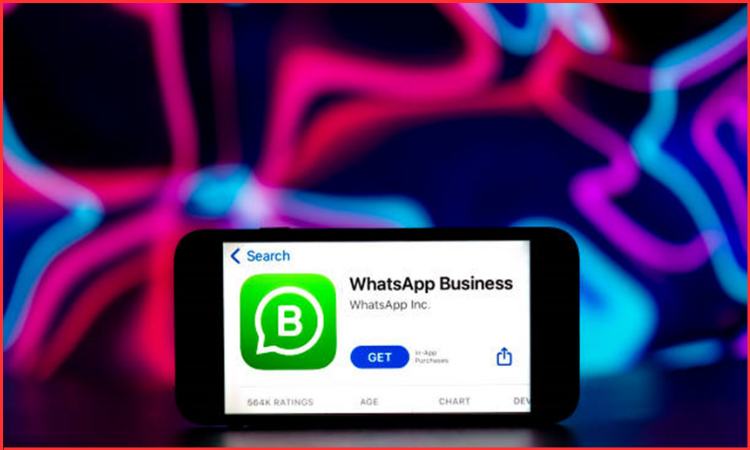
The first step is moving away from your personal account. Download the free WhatsApp Business App. It looks just like the regular app but comes with critical tools for business owners.
Once installed, set up a proper profile. Add your business name, address, website link, and a clear description of what you sell. If you sell handmade soaps, write “Organic handmade soaps made from natural ingredients,” not just “Soaps.” Use keywords that customers might actually search for.
Turning Messages Into Money
Now, how do you actually drive sales?
- Build Your List Legally: Don’t just buy a database of numbers. That is spam, and it will get you banned. Instead, put a WhatsApp button on your Instagram bio or a QR code at your shop counter. Offer a small incentive: “Join our WhatsApp list for 10% off your next order.” People love discounts and will happily share their number.
- Personalize Your Pitch: When a customer joins, don’t just send a generic “Hi.” Send them something useful. If you are a pet store, send a message like, “Hi Priya, we just got a new stock of treats for Golden Retrievers. thought you might like to see.” Personal touches like this can increase conversion rates significantly.
- Use Broadcast Lists, Not Groups: This is a rookie mistake. In a group, everyone sees everyone else’s number, and it feels chaotic. In a Broadcast List, you send one message, and it lands in every customer’s inbox individually, just like a personal chat. It is professional, private, and far more effective.
- Be Quick: Speed is currency. Data shows that if you reply to a customer query within 15 minutes, your chance of making a sale jumps by 80%. Customers on WhatsApp expect instant answers. If you make them wait, they will move on to a competitor.
Real Tools for Growth
For businesses ready to scale, simple manual messaging won’t be enough. This is where the WhatsApp Business API comes in. It allows you to send approved, automated messages, like order updates or shipping notifications, without getting flagged as spam.
Many small brands use tools like Interakt, Wati, or AiSensy to manage this. These platforms let you automate replies, track orders, and even recover “abandoned carts”, when a customer adds items to their cart but doesn’t buy.
Key Takeaway
The results speak for themselves. Businesses using WhatsApp effectively report 35% of conversations turning into sales. By treating WhatsApp not just as a chat app but as a serious business tool, you can build stronger relationships, solve problems faster, and ultimately, sell more.
Start small today. Pick 20 of your best customers, send them a personal update about a new product, and see what happens. You might be surprised at how quickly they reply.