(Image Source: The Financial Express)
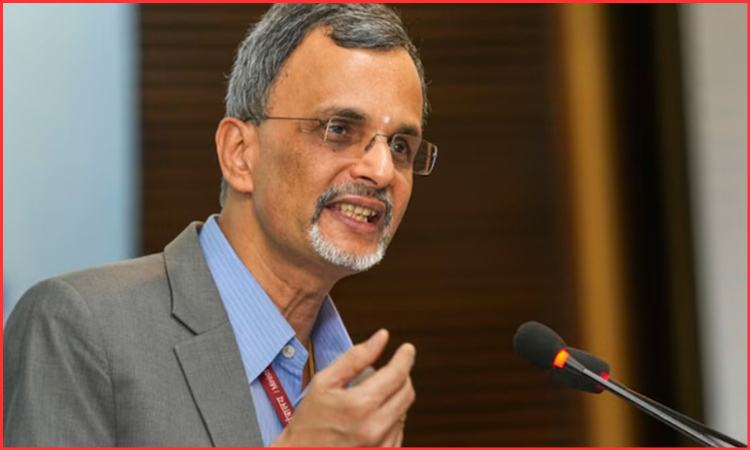
India’s corporate bond market has a VIP section, and it is getting too crowded. That was the blunt message from Chief Economic Advisor (CEA) V. Anantha Nageswaran yesterday, as he criticized the heavy concentration of capital among large, AAA-rated conglomerates while mid-sized companies are left scrambling for affordable credit.
Speaking at the Trust Group’s India Debt Capital Market Summit in Mumbai, the CEA didn’t mince words about the structural flaw threatening India’s next phase of growth: “The challenge today is not the absence of a debt market, but its concentration.”
For years, India’s bond market has been a safe haven for the pristine few, blue-chip giants like HDFC, Tata, and public sector units, while the vast “middle” of India’s corporate sector remains heavily dependent on bank loans. Nageswaran’s comments signal a major policy push to fix this imbalance, aiming to unlock a “double-engine” financing model where banks and bond markets finally share the load.
The “VIP Club” Problem
The data backs the CEA’s frustration. In late 2025, the Indian bond market remains deeply skewed:
- The 80% Wall: Over 80% of all bond issuances by volume are rated AA or higher. If you are a company rated ‘A’ or ‘BBB’, often a solid, mid-sized manufacturing or infrastructure firm, the door to the bond market is effectively shut.
- The Price of Being Small: The cost difference is stark. While AAA-rated blue chips can raise 10-year money at tight spreads – barely 0.50% to 0.80% above government rates, lower-rated firms face spreads that are double or triple that amount, assuming they can find buyers at all.
- The “Buy and Hold” Trap: 99% of corporate bonds in India are sold via private placement to insurers and pension funds who simply buy them and sit on them until maturity. This leaves zero liquidity for anyone else, making the market a “collection of loans” rather than a true trading venue.
“Large and highly rated firms raise capital with ease,” Nageswaran noted. “The task ahead is to enable mid-sized corporates, infrastructure SPVs, and supply chain firms to access markets systematically and affordably.”
The “Double-Engine” Solution
Nageswaran proposed a clear division of labor to fix the credit logjam, dubbing it a “dual-engine” model:
- Engine 1 (Banks): Should focus on working capital, relationship-based lending, and early-stage project finance where risks are higher and “hand-holding” is needed.
- Engine 2 (Bond Markets): Must take over the heavy lifting for long-term financing, transition finance, and mature infrastructure projects.
Currently, banks are doing both, which clogs their balance sheets and limits their ability to fund new risks. “This model is not optional. It is foundational,” the CEA warned, implying that India’s 7%+ GDP growth ambitions cannot be funded by banks alone.
Why This Matters Now
The timing of this critique is critical.
- Infrastructure Demand: As India pushes to build roads, ports, and power plants, these projects, often housed in Special Purpose Vehicles or SPVs need 15-20 year money. Banks simply cannot lend for that long without risking their own stability. The bond market is the only viable alternative, yet it currently shuns these very projects if they aren’t rated AAA.
- Regulatory Support: Regulators like SEBI have been trying to crack this nut. Recent moves to reduce the “ticket size” of bonds, making them cheaper to buy, and the rise of Online Bond Platform Providers (OBPPs) are baby steps toward democratizing access. But without institutional appetite for “A-rated” paper, these platforms remain stocked with the same old top-tier names.
The Bottom Line
For the mid-sized steel manufacturer in Odisha or the textile exporter in Tirupur, the CEA’s speech is a welcome acknowledgement of a painful reality: they are currently paying a “size penalty” on their loans.
Nageswaran’s message to the financial world was clear: Stop chasing the same ten safe companies. If India is to grow, the bond market must start funding the companies that actually build it.