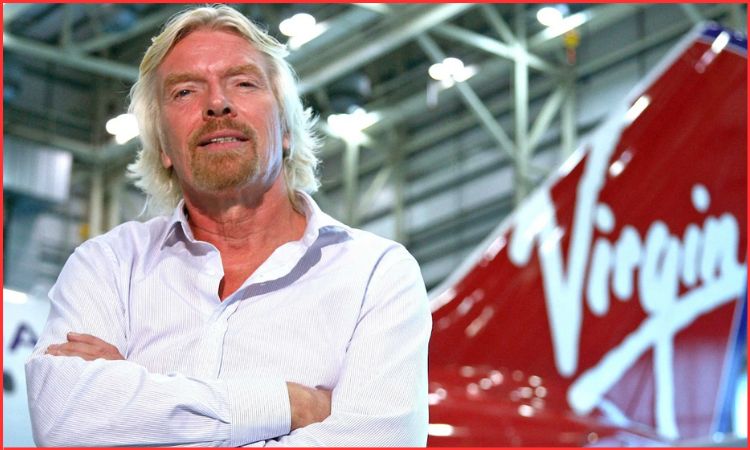
Source: businessinsider
Sir Richard Branson is thought of as perhaps the most well-known entrepreneur around the world a man who built Virgin from a small student publication into a global empire that now includes airlines, telecommunications, music, finance, and even space travel (with Virgin Galactic). His life has been a case study in imposing risk, innovation, and unapologetic leadership.
In this article, we explore Branson’s early challenges, the birth of Virgin, his leadership style, failures, the impact he created around the world, and the major takeaways for entrepreneurs that stem from his atypical career.
Richard Branson’s Early Life and Struggles
Childhood and Dyslexia
Born in London in 1950, Richard Branson had dyslexia, making it undeniably challenging for him in school. Rather than viewing it as a handicap, it gave him the opportunity to refine his communication skills and creativity.
Early Entrepreneurial Experiments
At the age of 16, he published Student Magazine, which set him on his path as an entrepreneur. It was a simple notion: give youth a voice. It didn’t make him much money, but it taught him about business, marketing, and ideas.
The Virgin Brand Created: From Music to International Prominence
The Beginning of the Virgin Mail-Order Music Business
In 1970, Branson launched Virgin, its name to indicate they were “new in business,” as a mail-order music company.
His customers were attracted to the lower prices, and the Virgin name took off quickly.
The Creation of Virgin Records
In 1973, Branson opened Virgin Records, which later produced iconic music legend artists as:
- The Rolling Stones
- Phil Collins
- The Sex Pistols
- Culture Club
Virgin Records became one of the most significant music labels in the world.
Adding Virgin Products
As Virgin took off, Branson added products in several industries:
| Virgin Company | Industry | Highlight |
| Virgin Atlantic | Aviation | Challenged British Airways |
| Virgin Mobile | Telecom | 13M+ customers at peak |
| Virgin Money | Finance | Low-fee banking model |
| Virgin Trains | Transportation | High-speed rail services |
| Virgin Galactic | Space Tech | Commercial space travel |
Branson built all of this through unconventional thinking, bold marketing, and a willingness to compete against giants.
Leadership Approach and Risk-Taking of Richard Branson

Source: quotlr
People-First Approach
Branson believes that employees always come first and customers are second.
He cares about:
- Happiness of employees
- Open channel of communication
- Trust-driven culture
- Celebration of creativity
As he stated, “Take care of your employees, and they’ll take care of your business.”
Daring Risk Taker
Branson’s flamboyant style depicts much adventuring:
- Attempting a world record for flying in a hot-air balloon
- Crossing an ocean in a speedboat
- Investing in new industries ahead of competitors
He believes in this philosophy: “If somebody offers you an amazing opportunity and you are not sure you can do it, say yes, and then learn how to do it later!”
Marketing Genius
Branson constantly created stunts that he understood would grab attention for Virgin:
- Dressing up like a bride to publicize Virgin Brides
- Flying a tank down Fifth Avenue
- Hanging outside of buildings for a newly launched Virgin product
These experiences allowed Branson to save millions on advertisements and create a significant amount of global publicity for Virgin brands.
Failures That Shaped the Virgin Business Empire
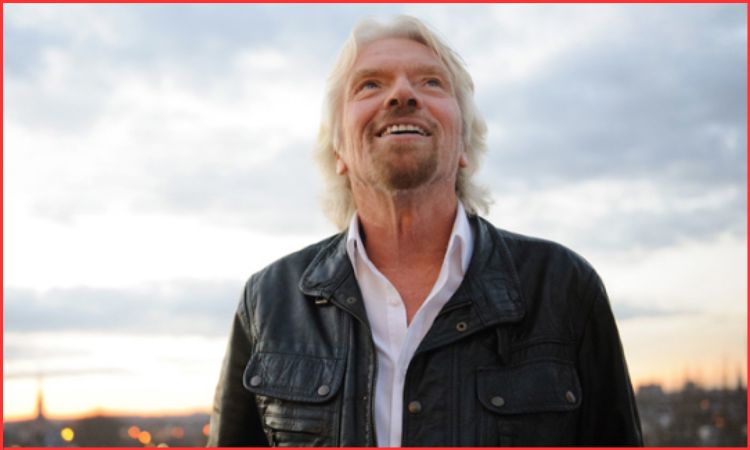
Source: smebusinessacademy
Major Failed Ventures
While Branson built over 400 companies, many also failed. Some notable ones are
| Failed Venture | Industry | Reason |
| Virgin Cola | FMCG | Strong competition from Coke & Pepsi |
| Virgin Cars | Automotive | Low demand |
| Virgin Brides | Retail | Unclear target market |
| Virgin Clothing | Fashion | Weak consumer interest |
| Virgin Digital | Streaming | Couldn’t compete with iTunes |
Branson candidly expresses that experiencing failures gave him resilience, humility, and strategic discipline.
How Branson Deals With Failure
Branson has three rules he follows:
- If the marketplace does not respond, fail fast.
- Learn fast and pivot.
- Do not let setbacks undermine your confidence.
This mental approach has helped Virgin survive a cyclical global recession, competitive airlines, and investments.
Constructing the Virgin Empire: Approach and Innovations
Multi-Industry Growth Strategy
Branson leads with a basic model:
- Go into industries with a terrible customer experience
- Introduce a fun, more human brand
- Be more affordable than the competitors
- Pay more attention to the experience than the product
This was how Virgin entered markets that were dominated by multibillion-dollar companies.
Customer-Centric Innovation
Virgin has always been customer-first, including:
- Free drinks on Virgin Atlantic flights
- Friendly, relaxed service
- Unique, entertaining in-flight entertainment
- Flexible mobile telecom plans
This is how Virgin became one of the most loved global brands instead of just another company.
Philanthropy and Global Impact of Richard Branson
Influence in Business Culture
Branson changed the definition of entrepreneurship by being:
- Adventurous
- Bold
- Human-centered
- Purpose-driven
He encouraged millions to build businesses that are about change and not solely profit.
Philanthropy and Social Impact
Branson supports global issues through Virgin Unite, including:
- Global Health Projects
- Climate Action
- Entrepreneurship Development
- Refugee Support
- Ocean Conservancy Projects
Branson also initiated an effort to combat climate change through technology and innovation via the Carbon War Room.
Entrepreneurship Lessons from Richard Branson
Main Points
The following lessons can be learned from Branson’s experience as an entrepreneur:
- Be bold with your goals regardless of the likelihood of success.
- Consider branding; customers remember experiences, not products.
- Diversify, but stay true to who you are.
- Failure is not the end; it is part of the process.
- Develop a great culture because success is achieved as a team.
- Dream big, even when it starts small.
Branson’s journey is proof that vision, courage and tenacious optimism can build an empire.
Conclusion
Richard Branson, the business titan in his own right, illustrates that you don’t need to be the brightest in the room; you just need to dare. Witnessing the transformation of a dyslexic boy into the founder of the Virgin group shows Branson was always brave, and indeed, he built his brand on imagination, risk-taking, customer intimacy, and bold innovation. Branson reminds us that no industry is untouchable and no idea is too big to pursue. Entrepreneurs all around the country are influenced by Branson’s ability to induce such a connection to an idea that it became a global movement.
FAQs
Q1. What was the origin of the Virgin brand for Richard Branson?
It started in 1970 as a mail-order music company. Virgin Records launched in 1973.
Q2. How many companies have been established by the Virgin Group?
Virgin has created more than 400 companies globally in industries such as airlines, music, finance, telecom, and space.
Q3. What led to Virgin Atlantic’s success in the airline business?
Branson had a vision for a premium customer experience that included better service and bold marketing that challenged the norm for airlines.
Q4. What leadership style does Branson exhibit?
He utilizes a people-first leadership style that prioritizes employees’ happiness and creativity.
Q5. What makes Richard Branson an inspirational entrepreneur?
He has built a global empire, embraced all types of risk, accepted failure, and altered industries through innovation, and he has done it all with a huge heart.