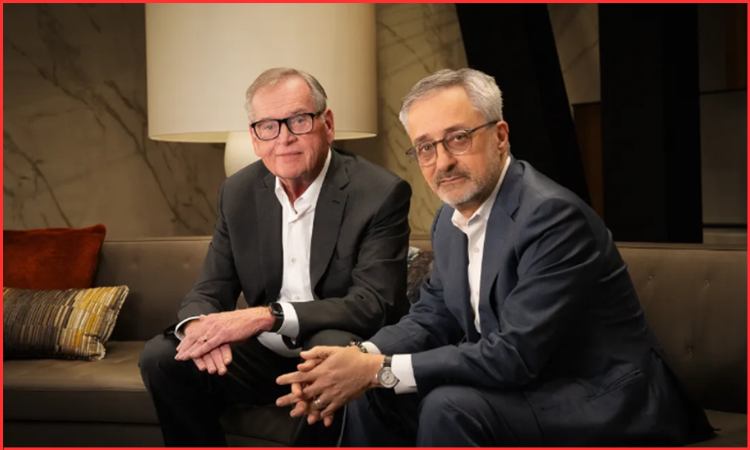
(Image Source: Omnicom)
Omnicom has closed its takeover of Interpublic Group (IPG), creating one of the biggest advertising companies in the world. The deal brings many famous global ad agencies under one roof and is expected to change how big brands plan their advertising. Most reports so far have focused on size, global power, and cost savings. This piece looks at a quieter side of the story: how this mega‑deal could open new doors for smaller and independent agencies in India.
A Very Big Company With Very Big Problems
On paper, the new combined group looks strong. It has huge budgets, thousands of employees, and big clients across sectors like telecom, auto, FMCG and finance. The goal is simple: combine scale, data, and talent to compete better with tech giants such as Google and Meta in digital ads.
But in India, many fast‑growing brands do not always want a very large, slow‑moving partner. Young D2C brands, fintech start‑ups and regional players often prefer agencies that can move fast, experiment quickly, and give them direct access to senior decision‑makers. In a very large network, work can get delayed because of long approval chains, global rules, and internal politics. This is where the merger could create an unexpected gap in the market that others can fill.
Why Senior Talent May Walk Away
When two big holding companies come together, not every senior leader gets a bigger role. In fact, many may feel stuck. Omnicom and IPG together control several well‑known creative and media agencies, and there will be overlap in roles and responsibilities in India. Once the dust settles, some senior creative and strategy leaders may see fewer chances to grow or lead independently.
In the past, such situations have often led to a quiet exodus. Experienced people leave, team up with a few trusted colleagues, and start small, owner‑driven agencies. These are usually lean teams with low overhead but high experience. If that pattern repeats after this merger, India could see a fresh wave of senior‑led boutique agencies launched over the next year.
For clients, this means more choice. A brand that feels too small inside a huge network may find it easier to work with a focused 20–30 person shop run by people who used to head national accounts at big agencies.
Client Conflicts Could Push Work To Independents
Another area not fully discussed yet is client conflict. After the merger, the combined group will handle many rival brands in the same categories. Officially, these are kept in separate agency “silos” with firewalls. But some Indian marketers may still feel uneasy when their main rival’s campaigns are controlled by an agency that now shares the same global owner.
For challenger brands, this creates a simple question: stay inside a mega‑network with possible conflicts, or move to an independent agency where they are the clear priority? Mid‑sized Indian agencies and digital‑first shops can use this moment to position themselves as “conflict‑free partners” who will not be forced to choose between two global clients based on group‑level decisions.
The Hidden Upside For India’s Ad Market
In the short term, the merged group will be busy with integration: aligning teams, reworking office structures, and deciding which brands and leaders stay on top in India. That internal focus may slow decision‑making and make some clients feel ignored. At the same time, local brands are spending more on digital, regional language marketing, and influencer‑led campaigns.
Put simply, there is a chance that this giant deal at the global level could actually help smaller players at the local level. If senior talent leaves to start their own shops, and if conflicted or frustrated clients move to independents, India may see more variety in the agency landscape, not less. Instead of just one big winner, many smaller teams could gain.
From this angle, the Omnicom–IPG deal is not just about one huge company becoming even larger. It might also quietly kick‑start a new phase in Indian advertising, where independent and home‑grown agencies get more room to grow alongside the global giant.