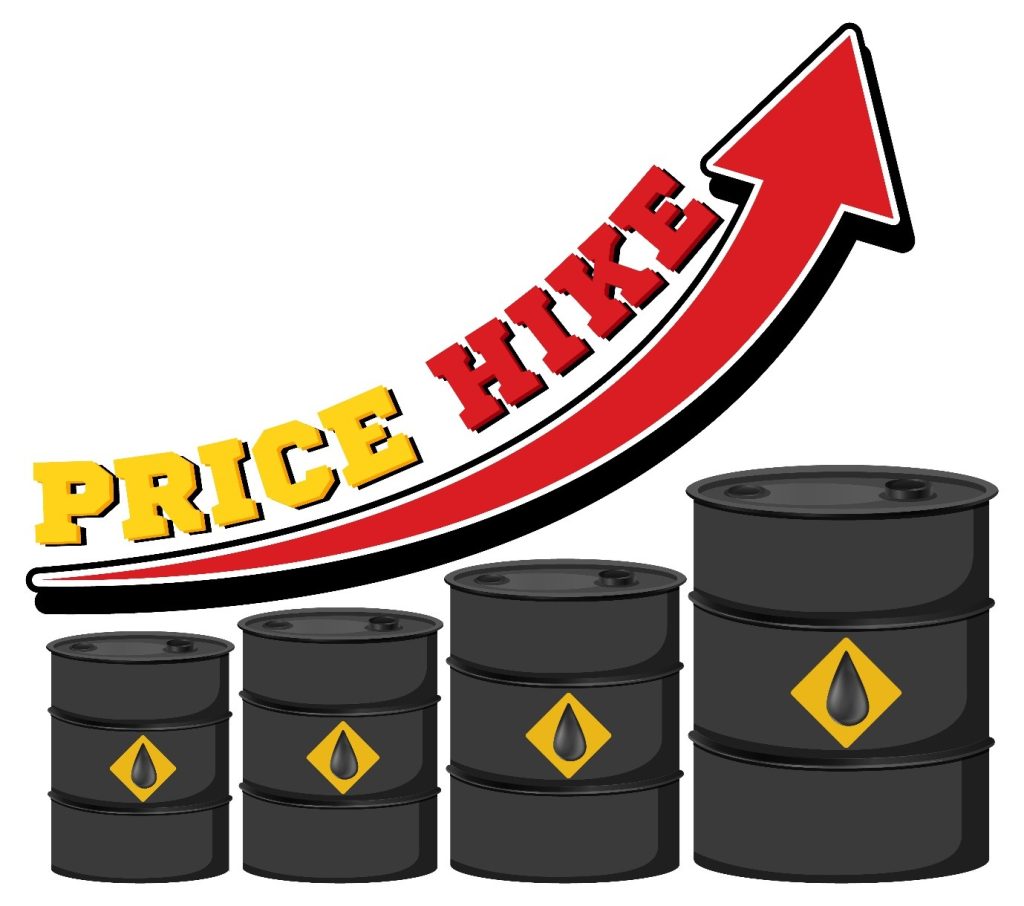
Fuel price volatility has become a significant concern for commercial fleet management, encompassing a range of entities from local taxi operators to trucking companies. A significant portion of the fleet’s operating costs is attributed to fuel.
Thus, abrupt price changes can cause budgetary disruptions, reduce profit margins, and even jeopardise the survival of companies that depend on continuous vehicle movement. Continue reading to understand the impact of price volatility on commercial fleets and explore strategies to mitigate this issue.
What is Fuel Price Volatility?
Fuel price volatility refers to the rapid and frequent fluctuations in fuel prices resulting from multiple regional, global, and market-driven factors. Volatile prices fluctuate sharply, sometimes within days or weeks, in contrast to stable or gradually changing prices.
This makes forecasting and long-term planning extremely difficult. Here are some of the common factors that lead to volatility in fuel prices:
● Geopolitical Events
Political decisions or conflicts in regions that produce oil can have a direct impact on the world’s oil supply.
● Economic Conditions
The demand for fuel is influenced by global booms and recessions, which impact its price.
● Natural Disasters
Production or transportation infrastructure may be affected by earthquakes, floods, or hurricanes, leading to price volatility.
● Market Speculation
Traders and investors who predict future developments have the power to influence prices.
● Regulatory Changes
New energy or emissions regulations change production and consumption patterns. OPEC (Organisation of the Petroleum Exporting Countries) production decisions, changes in global demand, and disruptions such as natural disasters can all cause fuel prices to fluctuate.
It is challenging for fleet managers to predict and control their most significant operating expense due to this volatility.
What Challenges are Faced by Commercial Fleets Due to Fuel Price Volatility?
Commercial fleets, whether managing delivery vans, long-haul trucks, or urban taxis, face substantial challenges in a world of unpredictable fuel prices. Here are some of the most challenging issues:
● Budgeting and Financial Planning
Fuel is one of the most significant and most unpredictable expenses for fleets. For a 10-vehicle service fleet (each consuming 120 gallons/month), a $0.50/gallon price hike means an extra $600/month, or $7,200/year, in costs. Sudden spikes can disrupt annual budgets, halt planned investments and threaten cash flow.
● Profit Margins Erosion
Many transportation businesses operate on razor-thin margins; increases in fuel costs have an immediate adverse effect on profitability.
For trucking companies, fuel typically accounts for approximately 24% of total operating expenses, so even minor fluctuations can have a significant impact.
● Price-Setting and Competitiveness
Passing higher fuel costs onto customers is not always feasible, especially for taxi or logistics operators tied to fixed-rate contracts. Constantly adjusting pricing can risk competitiveness or customer loyalty.
● Route Planning and Service Reliability
To offset fuel cost spikes, fleet managers may be forced to adjust delivery routes, reduce service areas, or cut back on trips, which can impact customer service and operational reach. This can lead to higher costs elsewhere, such as more idling or longer driver hours.
● Increased Exposure to Fraud and Misuse
High prices sometimes foster fuel theft or unauthorised purchases, further increasing business losses.
How to Mitigate the Impact of Fuel Price Volatility on Commercial Fleets?
Given the unpredictability of the fuel market, commercial fleet operators can’t control pump prices, but they can control how prepared they are. Here are some of the strategies to follow:
● Fuel-Efficient Route Optimisation
Harness GPS, AI-based routing, and real-time traffic systems to chart the shortest, smoothest, and least congested routes. This ensures less fuel is wasted on idling and detours, a critical tool during price surges.
● Promote Fuel-Efficient Driving Habits
Training drivers on smooth acceleration, minimising idling, maintaining consistent speeds, and using cruise control can result in notable fuel savings. Many fleets now utilise telematics and driver monitoring tools to provide real-time feedback and encourage more effective driving habits.
● Invest in Preventive Maintenance
Regularly servicing vehicles, checking tyre pressure, tuning engines, and replacing air filters helps maintain peak fuel efficiency, reducing unnecessary consumption and mitigating the impact of high prices. Proper vehicle maintenance can also help you save on insurance costs.
Moreover, having the right commercial vehicle insurance in place protects you from costly repairs, liabilities, or downtime resulting from accidents or unforeseen events. This further helps you to manage long-term expenses and keep your operations running smoothly.
● Leverage Fleet Fuel Cards and Technology
Fuel cards with purchase controls and transaction monitoring help prevent misuse and theft while providing transparency on fuel usage across the fleet. Some cards offer rebates based on purchase volume, directly reducing net fuel spend.
● Adopt Hedging and Bulk Purchasing Strategies
Larger fleets may benefit from fuel hedging, which involves contracts that lock in fuel prices for a specified period. You can also opt for bulk purchasing agreements with suppliers, decreasing exposure to sudden market spikes.
● Dynamic Pricing and Surcharge Policies
Companies with flexible pricing models can implement adjustable fuel surcharges for customers, updating them in line with market rates. This helps offset spikes without requiring renegotiation of entire client contracts.
● Explore Alternative Fuels and Greener Vehicles
Investing in hybrid or alternative fuel vehicles, or retrofitting existing ones for better efficiency, can substantially reduce reliance on diesel or petrol. This can create long-term stability in the face of volatility.
● Analyse and Adapt Using Data
Analyse the fuel spend regularly, driver behaviour, route efficiency, and insurance claims. It helps spot waste, detect fraud, and quickly adapt to new cost pressures. Modern fleet management systems offer real-time dashboards specifically for this purpose.
Fuel price volatility is an unavoidable reality for commercial fleets, whether you’re managing a handful of local taxis or a multinational logistics operation. While rapid price swings can severely disrupt budgeting, profitability, and day-to-day business, there are proven strategies to mitigate the volatility.
You can operate a commercial fleet business despite rising fuel prices by investing in technology, optimising routes, and using best practices for fuel management.