Digital content creation in India is the fastest-growing industry in the world in 2026. The creator economy in India is valued at over ₹1,500 crore in 2026, and according to Redseer Consulting, it is expected to grow by 25–30% annually. With more than 820 million internet users and the largest youth population in the world, content creation has evolved from a hobby into a viable career option.
Indian creators are starting independent and sustainable businesses online, ranging from YouTubers and Instagram influencers to regional creators and podcasters. In the past, success was often measured by whether you lived in a metro city. Now, Tier-2 and Tier-3 towns are contributing to over 50% of India’s new creator growth.
This article discusses the various ways Indian creators can monetize their content in 2026, with examples and perspectives from experienced people.
1. Monetizing Social Media Platforms
Source: medium.com
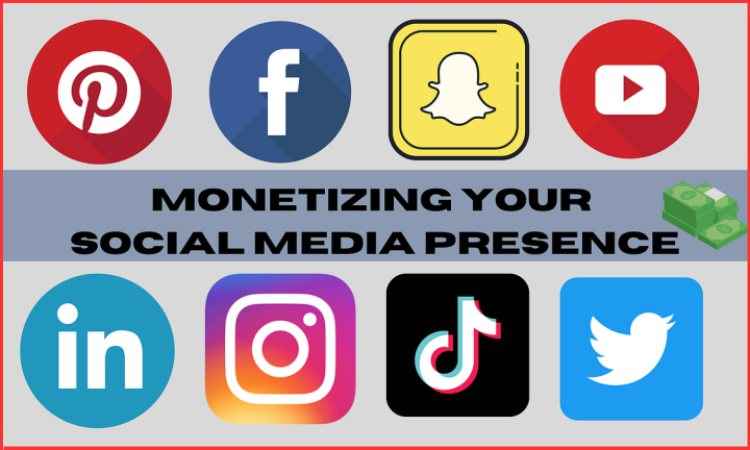
Social media is the main source of income for most Indian creators.
- YouTube: India is YouTube’s #1 market with over 500 million monthly users. Creators can earn money through ad revenue, YouTube Premium subscriptions, Super Chats on live streams, and Shorts monetization.
- Instagram Reels: India has over 300 million Instagram users and ranks as one of the most powerful social media sites for influencer marketing.
- Facebook: Still relevant for community and regional creators, especially in small towns.
Example: An Indian YouTube creator with 1 million subscribers can earn ₹2-5 lakh a month from ads alone, depending on their niche or engagement with their audience.
2. Affiliate Marketing & Brand Collaborations
Source: video.thombrowne.com
Affiliate marketing is probably the most executed way to make money in India. Creators can promote products through programs like Amazon Associates, Flipkart Affiliate, or Meesho Affiliate and get a commission on every sale.
For example, YouTube and Instagram tech reviewers often promote links for smartphones and gadgets, and they get a small percentage with each purchase.
Brand collaborations are another income stream that is booming. GroupM is estimating that India’s influencer marketing industry will cross ₹4,000 crore by 2026. There is even money to be made by micro-influencers (10k–50k followers), who earn approximately. ₹5,000–₹50,000 per collaboration, depending on niche and engagement.
3. Membership Communities
Source: charitysmith.org
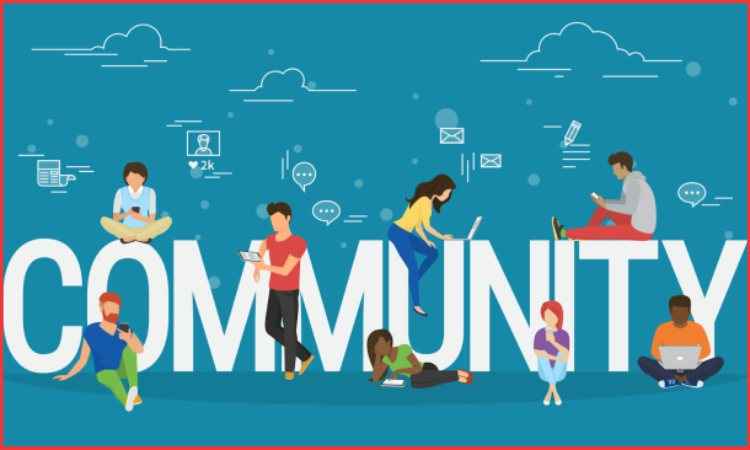
By the year 2026, the creators in India are starting to see many shifts to membership models that are exclusively paid memberships; rather than relying solely on advertisements, creators now charge their fans for authentic experiences, affiliate promotions, or specialist content.
Some recent burgeoning platforms that support this trend include YouTube Channel Memberships, Buy Me a Coffee (latest India-supported), and a growing number of Substack newsletters.
For Example, a finance creator can offer a paid membership for premium stock market tips for just ₹299 each month. If they can motivate 1,000 dedicated fans to become paying members, they have the value of ₹3 lakh per month of income.
4. Digital Products & Courses for Sale

Source: thenewsavvy.com
Digital products can be very lucrative in India because they can be reproduced at near-zero marginal cost and are very scalable.
- E-books: Creators sell e-books on fitness, self-help books, stock market tips, career tips, etc.
- Online Courses: Platforms such as Udemy, Unacademy and Graphy (an Indian platform) enable creators to sell structured learning content.
- Design Templates & Photography: Creators can sell templates, stock photos or other creative assets on Canva and Gumroad.
Example: A coding teacher teaching in Hindi can sell a course for ₹999 on Unacademy. If they get just 2,000 students enrolled, they can make ₹20 lakh.
5. Live Streaming & Virtual Events
Source: ar.inspiredpencil.com
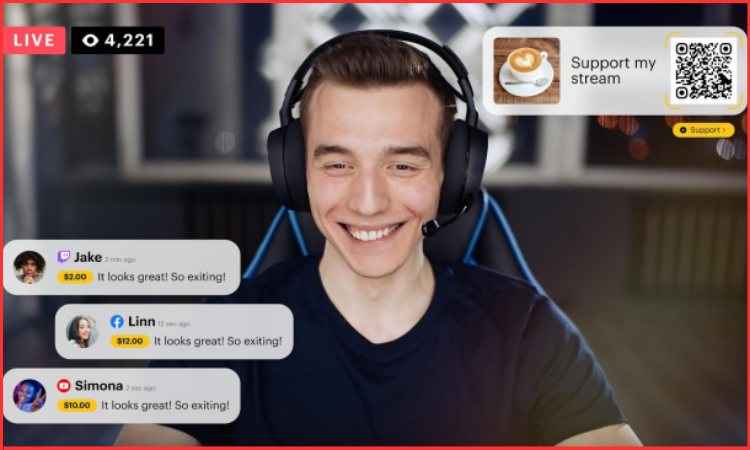
Live streaming is expanding and evolving in India, mainly due to games, education, and entertainment.
- YouTube Live & Instagram Live: Creators earn through Super Chats, paid badges and sponsors.
- Gaming platforms like Loco and Rooter are building a community for Indian gamers to earn revenue by live streaming.
For example, an Indian gamer with 50,000 followers on Loco can, on average, earn ₹50,000–₹1 lakh/month from donations, ads and sponsorships.
6. Being a Content Creator as a Freelancer

Many Indian creators not only monetize their own platforms, but they also freelance for companies.
- Skills such as video editing, copywriting, social media management, and graphic design are in high demand.
- Freelancing platforms such as Upwork, Fiverr, and WorkNHire (specifically for India) can connect freelancers with companies.
For example, a freelance video editor can charge anywhere from ₹5,000 to ₹20,000 in India, depending on how difficult the project is.
7. Podcasting & Audio Content

India is the world’s third-largest podcast market, with 150 million monthly listeners. Platforms like Spotify, JioSaavn, Gaana, and Audible allow Indian podcasters to monetize with sponsorship and ads.
Example: A career guidance podcast in Hindi gets 100,000 regular listeners and can get sponsorship worth ₹50,000 to 1 Lakh per episode.
8. Regional Content Creation
India’s regional content market is booming. Over 60% of YouTube watch time in India is coming from regional languages like Hindi, Tamil, Telugu, Marathi, and Bengali.
- Food vloggers in Hindi.
- Educational channels in Tamil,
- Entertainment reels in Bhojpur.
Creators creating vernacular content are growing faster than only English creators.
9. AI-Powered Content Creation
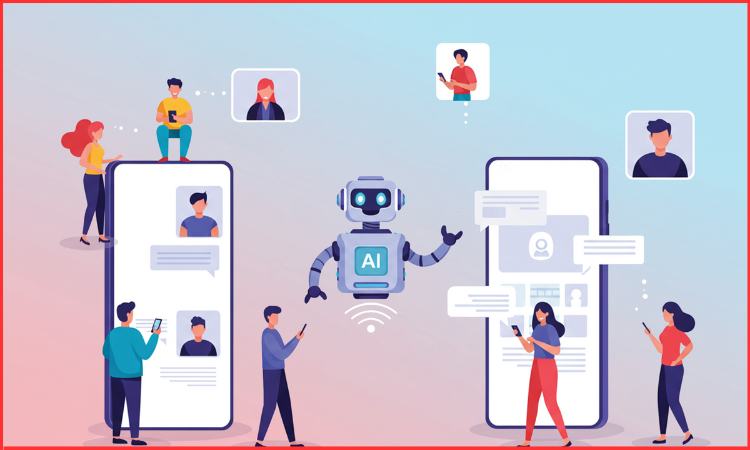
In 2026, AI tools are helping Indian creators create content faster.
- AI video editors are saving on multiple hours of editing.
- AI design tools are now supporting the creation of posters and thumbnails.
- AI scriptwriters are creating YouTube or Instagram video outlines.
Example: A solo creator can now do the role that used to take a team of 3-4 people.
Conclusion
The digital content creation in the Indian industry is booming in 2026. Whether it’s YouTube, Instagram, regional podcasts, or online courses, Indian creators have more opportunities than ever. The rise of vernacular content and Tier-2/Tier-3 creators shows that this revolution isn’t limited to urban areas; it’s happening nationwide.
Consistency, audience trust, and multiple income streams are key. Today, content creation in India is no longer just about entertainment; it’s about building careers, communities, and financial freedom.
FAQs
1. Do I need to invest money in digital content creation in India?
You can start with a small investment; just make sure you are flexible to invest in better equipment after a while. To start content creation, a smartphone, an internet connection and consistency are enough.
2. How long will it take to make money with digital content in India?
This depends on what niche you are in, how consistent you have been and how much engagement you have with your audience. Some people will start making money within 3–6 months and others may take a year or more before they get consistently paid for their work.
3. Is digital content creation a stable career in India?
Yes, but you have to be flexible! Platforms change all the time and trends change faster. You will find more stability in your career if you take opportunities to diversify your income between ads, brand deals, courses, etc.
4. What are the legal and tax rules for digital creators in India?
Creatives earning money have to pay income tax at a slab rate. If your annual earnings cross ₹20 lakh, the GST will apply for the service of brand collaboration. Always keep proper invoices and documents; this is vital.
5. Will regional language content creators make good money?
Absolutely. You can see that regional creators are gaining massive momentum in 2026, because as Tier-2 and Tier-3 cities are consuming more digital customer content in Hindi, Tamil, Telugu, Bengali, etc.