When you think of Nike, you probably think of the company’s global reach, its iconic swoosh, and the dominant force it has been in the world of athletics. What many overlook is the man who laid the foundation for this empire, Bill Bowerman, Nike founder alongside Phil Knight. His vision changed not only athletics but also the business of sports forever.
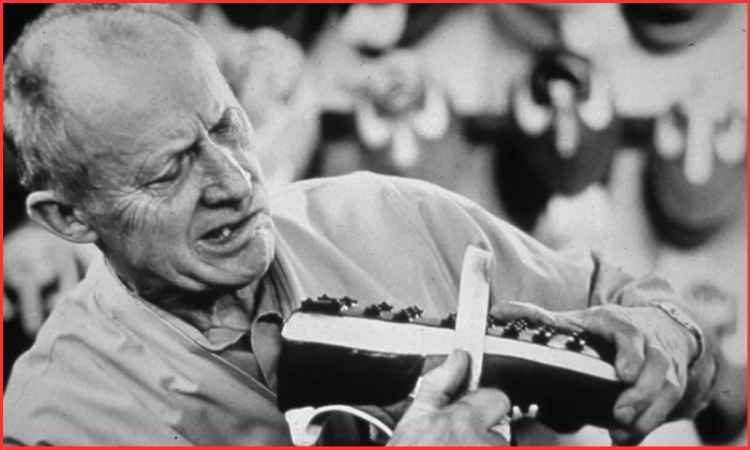
Bowerman was much more than a track and field coach. He was an innovator, a mentor, and a dreamer who believed that athletes deserved better equipment to perform at their peak. His ideals extended beyond training routines — they sparked a cultural movement that helped create a globally recognized brand.
This article explores the legacy of Bill Bowerman Nike, tracing his journey from coaching in Oregon to co-founding one of the most powerful brands in the world.
Bill Bowerman’s Early Life
Bill Bowerman was born in Portland on February 19th, 1911. Growing up in a family that valued discipline and education, he began to show interests in sports and leadership early on. His college years spent at the University of Oregon put him on a direct path towards athletics. While there, he developed a passion for track field.
His journey as an athlete provided him with real-life experiences regarding the challenges that runners faced. Most importantly, it incited a desire to optimize equipment and methods of training that would later become a part of his success story.
Track Field Innovations and Coaching Success
At the end of World War II, Bowerman took on the role of track field coach at the University of Oregon. He quickly began to develop a reputation for his attention to detail and innovative strategies.
Once he became established in his position, the University of Oregon became an athletic powerhouse. He coached 31 Olympians including famous runners such as Steve Prefontaine. His training provided invaluable focus on endurance, balance, and technique, which proudly continue to exist in track field today.
Bowerman believed in good training and preparation, but it also helped to have a plan going into a race. He published Jogging in 1966, introducing recreational running to Americans. The book sold over a million copies and is often recognized as the inspiration for the U.S. running boom.
The Emergence of a Global Brand: Nike
A monumental moment in Bowerman’s life occurred when he partnered with Phil Knight, one of his former runners. They created Blue Ribbon Sports in 1964, which imported running shoes from Japan.
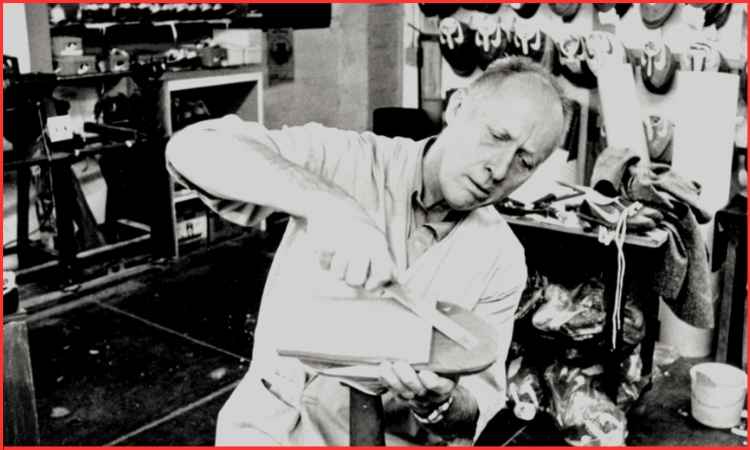
Source: Nike
Bowerman wasn’t content with simply selling shoes already on the market, but instead wanted shoes that were customized to the athlete. By 1971, Blue Ribbon Sports changed its name to Nike after the Greek Goddess of Victory. This marked the genesis of a global brand that would dominate the sports wear industry for years to come.
Bowerman’s Creative Innovations in Footwear
While many would argue that Bowerman’s true genius is the shoe itself, he is most definitely more accurately recognized for his creativity. He constantly experimented with different designs in order to give his runners an extra advantage. His most famous invention was the waffle sole, where he simply poured rubber into his wife’s waffle iron.
This sole greatly improved grip and reduced weight, transforming the track field shoe world. Athletes who wore Bowerman’s shoes often looked like they were running faster than their competitors, which reinforced the idea that an innovative shoe could lead directly to competitive advantage.
Bowerman stated that shoes need to feel like part of the athlete, and this became the central direction of Nike’s product philosophy.
Nike’s Transition to a Global Brand
What began as a small startup grew into a worldwide brand. By the late 1970s, Nike expanded internationally, driven by bold marketing campaigns and athlete endorsements.
The swoosh logo, introduced in 1971, and the iconic “Just Do It” campaign launched in 1988, transformed Nike from just a shoe company into a global lifestyle brand. By 1980, Nike went public, cementing its place in business history.
Today, Nike operates in more than 190 countries and generates revenues exceeding $50 billion annually. This meteoric rise reflects the legacy of Nike co-founder Bill Bowerman and Phil Knight, whose commitment to innovation reshaped sports culture.
Bill Bowerman’s Enduring Legacy on Sports and Business
Bill Bowerman’s legacy is two-dimensional. He helped shape the future of track and field as a coach by teaching athletes to become champions, while he and Phil Knight co-founded Nike, a company that began by creating performance athletic products and transcended that to become a cultural and systematic way of living.
His narrative illustrates how an idea can develop into a global success story using creativity, persistence, and passion. Joggers and athletes around the world are benefiting from his efforts regardless of whether they run professionally or recreationally.
Success Story that Changed the World
The trajectory of Nike, from a small partnership to a global brand, is one of the most well-known success stories in business. Bowerman’s ideal of aiming to solve problems for athletes set the company apart from competitors.
Nike’s success story can be identified by the following milestones:
- The launch of the waffle trainer in 1974.
- Nike’s entry into basketball with sponsorships from Michael Jordan.
- The expansion of global sponsorships and apparel and accessories.
Each of these milestones reinforced Bowerman’s original thought: innovation leads to performance.
Global Recognition of Bowerman’s Contribution
Bill Bowerman received multiple honors for his contributions. He was inducted into the U.S. Track and Field Hall of Fame, and the National Distance Running Hall of Fame. Nike has an award called The Bowerman Award that is given to the top collegiate track field athletes in the U.S.
At the University of Oregon, Bowerman’s name adorns many memorials that attest to his legacy as a coach. His contributions are likewise recognized by business schools around the world, in the study of successful entrepreneurs.
There are lessons entrepreneurs can take from Bowerman’s story.
Bowerman’s legacy provides important lessons entrepreneurs can learn from:
- Innovation matters: Always look for ways to make products better.
- Start small, dream big: Nike began selling imported shoes and grew to be a global brand.
- Customer is king (or queen): He designed shoes with athletes in mind, not for profits.
- Persistence: He failed at many more experiments before eventually getting it right, but one experiment made the difference.
The lessons in Bowerman’s journey and success have meaning to both athletes and business professionals.
Conclusion
The story of Bill Bowerman is about vision, perseverance, and innovation. From a modest track and field coach in Oregon to a Nike founder whose work created a global brand, his journey proves that great ideas often begin in the simplest ways.
Nike’s rise to a multi-billion-dollar empire shows how Bowerman’s philosophy — that performance comes first- continues to shape sports and business today. His legacy reminds us that innovation and passion can create legacies that last forever.
FAQs
1. Did Bill Bowerman design all Nike shoes?
No. He created several prototypes, including the waffle sole, but Nike later developed a full design team.
2. What inspired Bowerman to design the waffle sole?
He wanted shoes with more traction. The idea came from seeing his wife’s waffle iron at breakfast.
3. Was Nike already successful when Bowerman passed away?
Yes. By the time of his death in 1999, Nike was firmly established as a global sportswear brand.
4. How did Bowerman influence U.S. fitness culture?
His book Jogging introduced millions of Americans to recreational running, sparking a national fitness trend.
5. Did Bowerman continue coaching after Nike’s success?
Yes. Even as Nike grew, he remained committed to coaching and mentoring athletes.