2025 is shaping up to be an exciting year for retail. Consumers are willing to spend more for convenience, and while online shopping is growing, many families still prefer the in-person experience of browsing, selecting, and purchasing items themselves.
If you are wondering how to start a departmental store, the process requires careful planning, research, and execution. From market study to store design, staffing, and marketing, every step matters. This guide simplifies the journey for beginners and aspiring entrepreneurs who want to build a profitable departmental store in 2025.
Why 2025 is the best time to start a Departmental Store
The global retail market is forecasted to reach $30 trillion USD by the year 2025 (Statista). In India, the retail market is growing 9-10% per year, and it is one of the fastest-growing market segments.
Several signs that indicate that this is the right time for a departmental store launch:
- Technology adoption: Cashless transactions are now dominant.
- Consumer demand: Urban families show a preference, value, and the convenience of buying their goods from one departmental store.
- Government assistance in the form of subsidies and MSME advantages for small businesses.
With all of this momentum, it is clear that a departmental store is not only possible but likely to be a great idea.
Step 1: Do Your Market Research Before You Start
Market research should be the foundation of a successful store. Walking around neighbourhoods, existing departmental stores, and talking to potential customers are all ways to conduct market research.
Some of the questions to ask are:
- What kind of products do local people buy the most?
- Are there enough stores nearby?
- Are the customers interested in premium or budget items?
Understanding the demand and options is important so as not to carry unnecessary inventory and to select only products that may potentially sell.
Step 2: Create an Effective Business Plan
Operating a department store requires solid planning, such as a business plan. Costs quickly accumulate without a good business plan. Include in your plan:
- Start-up Budget – Rent, Racking, Billing System, Stock.
- Monthly running costs – Salaries, Electricity, Internet, Restocking inventory.
- Profit intention – most department stores make a margin between 8 – 20% yield.
- Financing: bank loan, investors, personal finance.
A good plan also allows you to apply for funding through banks or government schemes.
Step 3: Choose the Best Location for the Store
Location is important. Look for a location with good footfall or a high-density area, examples are near schools, residential colonies, office areas, or public transport stations.
Good examples are:
- A corner store on a busy street.
- A ground-floor unit in a residential complex.
- Near a hospital or an office complex.
Avoid locations that are away from traffic, alleys, or hard to access with no parking. A well-located store is a profitable store.
Step 4: Obtain your Licenses, Registrations, and Legal Obligations
Getting all legal obligations is necessary for the launch of the store in 2025. The requirements change between countries, but for the most part, most department stores require:
- Trade License from the locality
- GST Registration (tax obligations)
- FSSAI Licensing (If selling food)
- Shop and Establishment Registration (Labor laws)
Obtain all these before you start; you don’t want to face a fine or worse, closure!
Step 5: Designing and Setting Up Your Department Store
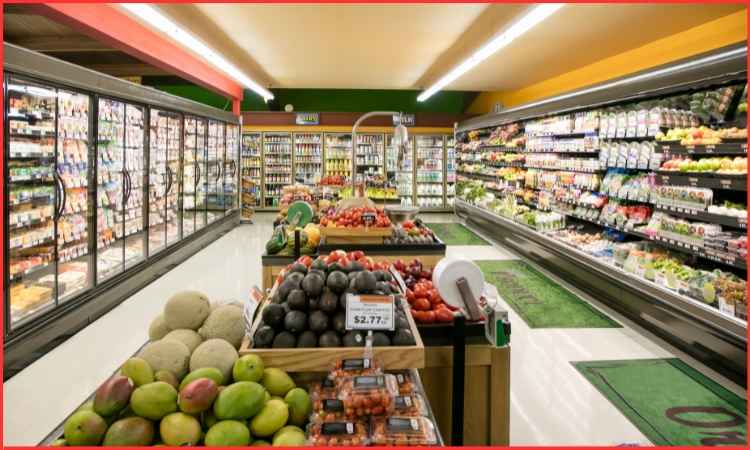
The layout of your store has an impact on your sales volume. To have an effective store, keep the layout basic, clean, and customer-friendly. You want your aisles to be wide enough so customers can easily get around.
- By placing the high-demand items at the back of the store, your customers will generally have to walk through the store to get to those items.
- Place impulse purchases like chocolate next to the billing counters.
- Don’t forget to have good lighting and signage.
The aim for you is to create a retail and customer-friendly department store in which customers feel good about browsing.
Step 6: Inventory stocking and supply sourcing
Smart management for inventory reduces your costs of buying inventory to resell. To stock your store, once again start off with the essentials, groceries, personal care, cleaning items, etc., and then grow your inventory by stocking the listed customer demand.
Suggestions:
- Work with local wholesalers to get fresh inventory for your store.
- Negotiate with wholesalers for price savings when ordering full cases.
- Use an inventory software solution to assist you with ordering inventory, as it will help you track expiry dates.
- Do not stock or overstock slow-moving inventory.
By observing what your customers are buying, you will gain knowledge concerning what to order and stock.
Step 7: Hiring and Training Employees
Employees are the image of your store. Hire employees will be filling key retail roles.
- Hiring a cashier for billing.
- Employees like floor staff will restock the store while attending to customers.
- You will require hiring a supervisor, who will be running of store operations daily.
Training expectations for employees should include staff knowledge of a product, how the employee will handle a customer, and their speed of service. Employees who offer polite, quick service experiences will bring customers back.
Step 8: Implement Marketing and Promotions
Marketing creates excitement and interest surrounding your store. Use a combination of old-school and new-school marketing channels:
- Use flyers and banners around the neighborhood.
- Use discounts and combination launches.
- Use social media advertisements with local targeting.
- Use Google “My Business” for local SEO by claiming your profile.
- Offer loyalty points or member cards.
In 2025, even a small store should have some online presence because customers check online for reviews before buying.
Step 9: Technology and POS for Efficient Operations
In 2025, a departmental store must be tech-savvy.
- Have a POS system installed for billing, sales, and inventory stock.
- Accept digital payments (UPI, wallets, cards) for customer convenience.
- Install CCTV cameras for security.
- Consider using barcode scanners for checkout speed.
Technologies provide efficiencies in operations and business intelligence that can be used to elevate sales.
Step 10: Successfully Launch Your Store in 2025
Your launch day is the customer’s first introduction to the business.
- Use promotions leading up to the launch with banners and social media posts.
- Provide free samples or small giveaways.
- Make sure your shelves are stocked and arranged properly.
- Be available for customer engagement, collect feedback, and pivot.
Common Mistakes to Avoid When You Start a Store
Things not to do when you open a store
- Selecting a location with little to no visibility.
- Overstocking on products that won’t sell.
- Not having an online marketing strategy.
- Not taking customer service seriously.
- Skipping licensing or regulatory compliance.
If you avoid these, you’ll be fine!
What’s the Future of Departmental Stores in 2025 and Beyond?
The departmental store of the future will not only be shelves stocked with products. Here is what we may expect:
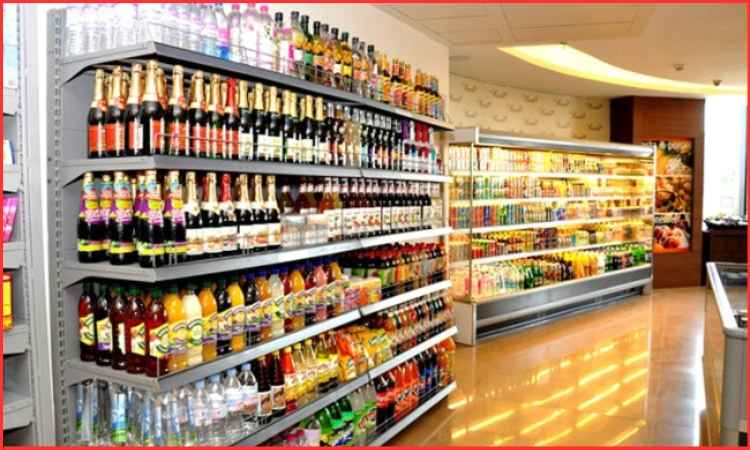
- Smart shelves with real-time inventory updates.
- Artificial Intelligence (AI) powered point of sale systems that are capable of restocking inventory based on demand.
- A hybrid between the traditional shopping experience and an online shopping experience.
- Sustainable and environmentally friendly packaging to appease the environmentally conscious consumer.
- Cashless and contactless shopping is becoming the norm.
To maximize your retail store experience and increase your future-proofing initiative, be adaptable and keep up with current technology and retail trends.
Conclusion
Knowing how to start a departmental store in 2025 is about more than just renting a space and filling it with products. With proper planning, the right location, efficient stocking, well-trained staff, and technology-driven operations, your store can thrive in a growing retail market.
If you’re ready to leap, now is the perfect time to start building your departmental store and grow alongside your community.
FAQs
1. How much money do I need to open a departmental store in 2025?
Small stores may start with ₹10–15 lakhs, while larger outlets need around ₹25–40 lakhs.
2. How long does it take to break even?
Most departmental stores recover investments in 12–18 months if sales remain steady.
3. What’s the profit margin?
Margins typically range from 8% on essentials to 20% on premium products.
4. Are departmental stores still profitable in 2025?
Yes. They remain profitable, especially in urban and semi-urban markets where demand is consistent.
5. Can a departmental store integrate with delivery apps?
Yes, many tie up with apps like Dunzo or Swiggy Instamart, while some hire local delivery staff.