Source: The Economic Times
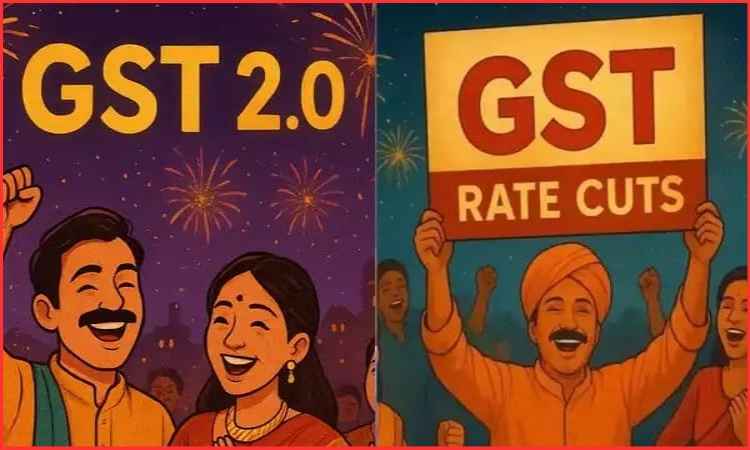
The GST Council, under Finance Minister Nirmala Sitharaman, has approved the largest reform to India’s indirect tax system since 2017. It will be in force effective September 22, 2025, which is the first day of Navratri.
New GST Slabs
The new structure is now two GST slabs: 5% (tax on essentials) and 18% (tax on most goods and services). A higher 40% slab will be levied for luxury/sin goods like large vehicles, yachts, and tobacco. However, we will still have a cess for tobacco.
This will help simplify GST, reduce disputes, and provide clarity for the businesses and the customers.
What Gets Cheaper
Daily necessities like milk, butter, biscuits, chocolates, nuts, and dry fruits will be in the lower tax bracket.
Healthcare will get a boost. Thirty-three lifesaving drugs will be exempt from taxation, and many life-saving medicines will see their GST rate reduced from 12% to 5%. Health and life insurance premiums will not be subject to GST either.
Small cars will be subject to 18% GST instead of 28%, while electric vehicles will continue to be taxed at 5%.
Televisions above 32 inches will see GST 2025 drop to 18% from 28%.
Construction inputs like cement, bricks, marble, and granite will be cheaper, reducing costs for housing.
Industry Responses
Many sectors lauded the reforms:
Healthcare: MD of Apollo Hospitals, Suneeta Reddy, stated that.
“We welcome the rationalisation of GST, which comes as a natural extension of the tax cuts and 100% FDI in insurance announced in the Union Budget earlier this year. Together, these measures provide a strong platform to make healthcare more accessible and affordable. The reduction in GST rates on life-saving and essential drugs, along with the standardisation of GST for consumables, are highly positive steps for both patients and the sector.
Food and FMCG: Ajaypal Rathore, finance director, Burger Singh. “The revision in GST rates is a positive step for India Inc. This move is expected to boost demand, help curb inflation, reduce the tax burden across the supply chain, and significantly lower disputes related to applicable tax rates.
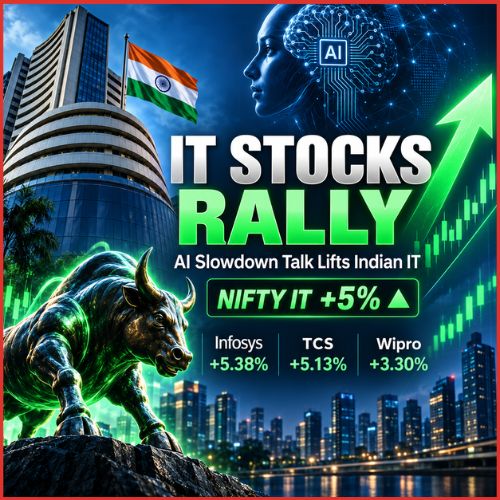
IT and E-commerce: Nasscom said removing Section 13(8)(b) of the IGST Act should help IT and ITES exports and reduce disputes. A simple registration process for ecommerce sellers will support small businesses.
Quick Takeaways
Effective date: September 22, 2025
Rates: 5% (essentials), 18% (standard), 40% (luxury/sin goods)
Healthcare: Tax-free life-saving drugs, no GST on insurance premiums
Autos: Lower tax on small cars and EVs
Housing: Lower construction inputs
IT & Ecommerce: Lower compliance, boost to exports
India’s GST 2.0 will reduce the price of goods and services, simplify taxes and compliance, and act as a festive season stimulus for consumers and industries.