India’s entrepreneurial spirit has opened doors for businesses that did not even exist a decade ago. With the rise of artificial intelligence, clean energy, and sustainable farming, consumers are more aware than ever. India’s startup ecosystem is stronger, and with digital-first lifestyles, technology has become more affordable.
This makes 2026 the right time to start something new. From AI-powered legal assistants to solar-powered cold storage for farmers, here is a guide to 11 Best Business Ideas in India for 2026, spanning across AI, education, health, tourism, and agriculture.

Source: iStock
Why 2026 is the Best Year to Start a Business in India?
Digital Penetration
As of 2026, India has recorded over 14 billion monthly UPI transactions and over 900 million internet users. This means rural India is now also digitally connected as technology is getting more affordable. This opens doors for businesses powered by technology in rural India.
Government Initiatives
The government, through Startup India, Digital India, and Atmanirbhar Bharat, is offering various benefits and financial support. Sectors like Agri-tech, Health-tech, renewable energy, and digital services are all priorities in government policies.
Lifestyle Shifts
Every income segment of India is hungry for experiences, healthier lifestyles, and mindful living. Hence, consumer demand is shifting towards sustainability, health, and well-being, offering many opportunities to start a sustainable or health-conscious business.
Upliftment of Rural India
Young people in villages have started looking for investment options, better healthcare, and education opportunities. Additionally, the aspirational class in rural India has increased. Hence, 2026 has come with numerous opportunities for rural India.
11 Best Business Ideas in India for 2026
Voice-based Rural Commerce
Source: Dutch Uncles
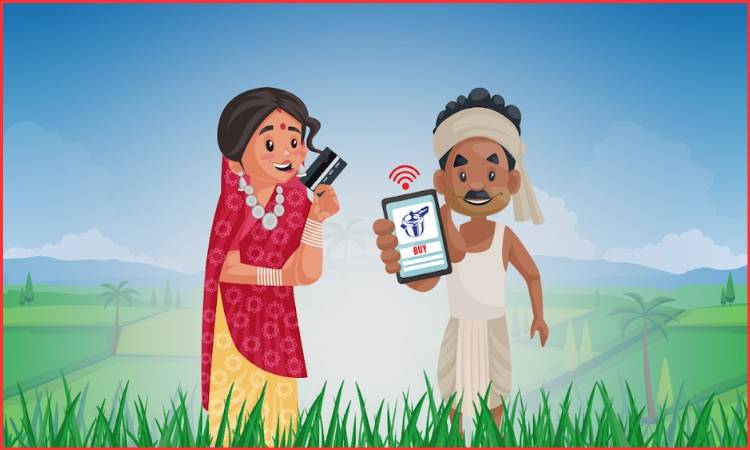
In rural India, the adoption of electronic devices such as smartphones, laptops, cameras, etc., has increased. However, many villagers struggle to use applications and websites because they prefer voice interactions in local languages over typing in apps.
This gap can be bridged by voice-driven commerce that offers online buying and selling. Create an application by integrating UPI, e-commerce, and logistics, allowing users to buy agricultural inputs, household items, or sell produce by speaking in their local language.
Revenue Model:
- Charge commission on transactions from sellers.
- Subscription fees from merchants for platform presence.
Hybrid learning hubs in Tier-2 cities
Source: Arch2O
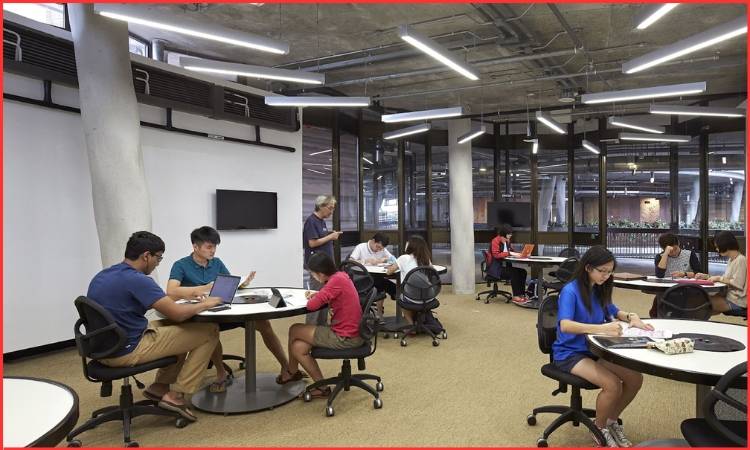
Tier-2 cities in India are bursting with young talent. Their internet access is widespread, but the quality of education varies. Colleges in these cities do not provide the industry-ready skills students need. Parents in these areas demand physical classrooms, while students desire flexible global exposure.
Hybrid learning hubs can bridge this gap by offering affordable and high-quality industrial skills programs. Offer programs like data analytics, digital marketing, AI, entrepreneurship, and more developed by experts or professors from renowned institutions. Create smart classrooms or mentorship zones so that they connect theory with practice.
Revenue Model:
- Monthly membership for hub access.
- Corporate training tie-ups with local businesses.
- Course fees.
Micro-Investment Platforms for rural youth
Source: Vocal Media
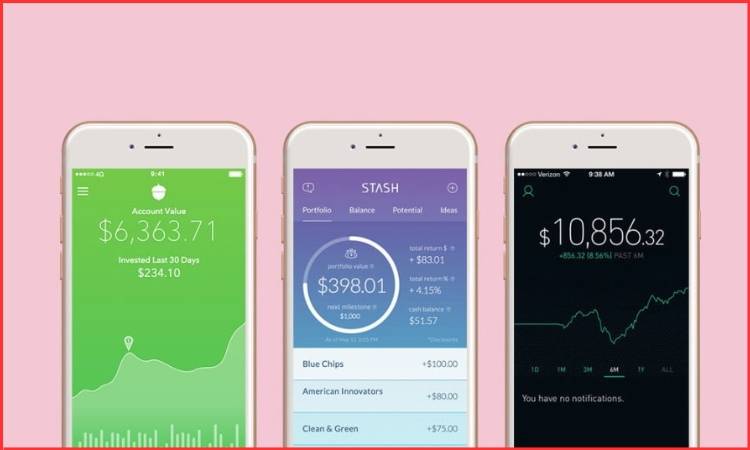
In rural India, most people keep their savings in cash or basic bank accounts. However, with increasing financial literacy and digital penetration, micro-investment platforms that allow investing as little as ₹10-₹100 will help rural youth grow wealth.
Create a mobile-first app or voice-based platform that works on low-cost smartphones in regional languages. Provide options for a mutual fund SIP, gold savings, micro-insurance, rural bonds, and government schemes. Create an auto-roundup savings feature where, if someone spends ₹97 on a mobile recharge, ₹3 goes into their investment account.
Revenue Model:
- Commissions from mutual funds or insurance providers.
- Partnership with banks and NBFCs.
- Premium features like financial coaching, credit scores, and micro-loans.
Eco-Tourism Experiences

Source: NotOnMap
After the pandemic, the travel mindset has changed from just sightseeing to meaningful, responsible travel. In eco-tourism, experiences from community-run homestays to wildlife-friendly treks will offer travellers authenticity while ensuring that local communities and the environment benefit.
In 2026, when climate awareness is higher than ever and travellers are actively seeking greener alternatives, an eco-friendly travel model that curates travel packages around nature will be beneficial. Include homestays run by local families, organic farm tours, treks, and many more to make the experience more nature-inclusive
Revenue Model:
- Commission from booking eco-friendly stays and tours.
- Subscription-based travel memberships.
- Partnerships with NGOs and state tourism bodies.
Fermented food brand
Source: Medical Darpan
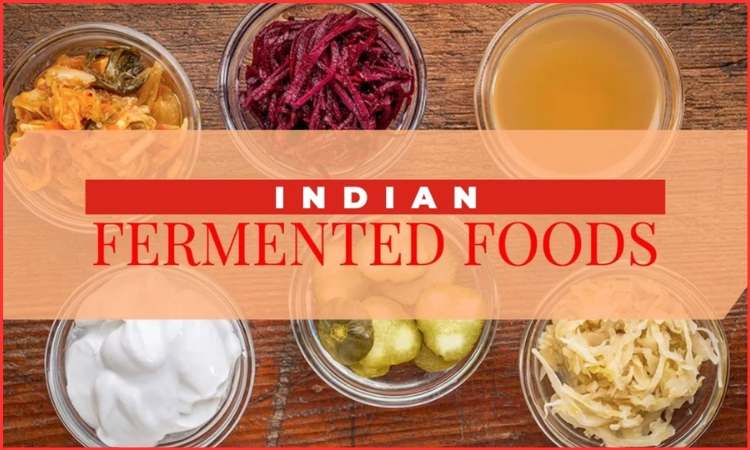
In 2026, consumers have shifted from consuming ultra-processed foods to searching for functional foods that heal, energise, and prevent lifestyle diseases. Fermented foods are being increasingly recognised, like kombucha, kefir, kimchi, sauerkraut, kanji, idli batter, miso, and traditional pickles.
Establish a small-batch fermentation unit with cold-chain logistics while maintaining hygiene. Either go for the D2C model by creating an online store, or choose the B2B model by partnering with cafes and health restaurants.
Revenue Model:
- Direct sales through an online store.
- Subscription models or curated kits, such as the Immunity kit or the Gut-health kit.
- By supplying cafes, restaurants, fitness centres, and gyms.
- Paid workshops or collaborations with schools or wellness centres.
AI-powered legal assistant
Source: Medium
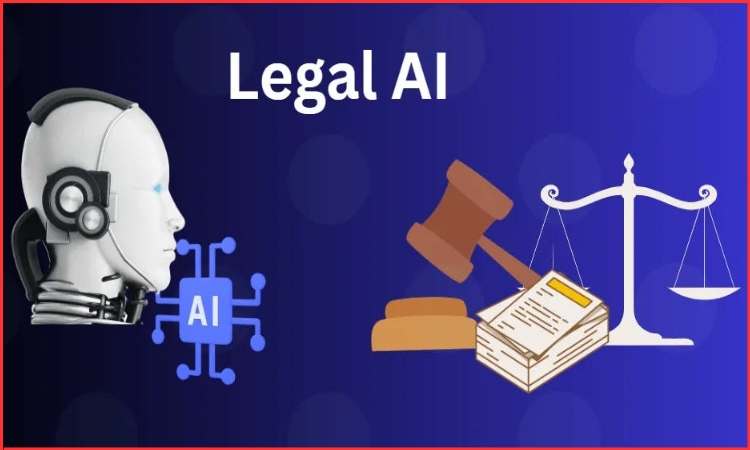
In 2026, with increasing startup activity, MSMEs, freelancers, and rural entrepreneurs, demand for legal services at an affordable price is increasing. To cater for this demand, an AI-powered legal assistant that does not replace lawyers but can offer services for repetitive and low-complexity tasks will be an efficient legal guide.
Create a legal assistance that can explain laws in simple, local language. Target Gig workers, Startups, and MSMEs by offering drafting employment contracts, rental agreements, vendor contracts, and many more.
Revenue Model:
- Subscription Plans
- Pay-Per-Use Service
- B2B Licensing [by selling AI tools to law firms]
- Data Insights & Analytics [sell collected data and its analysis to law firms]
Mobile Health Vans
Source: AVAN Mobility
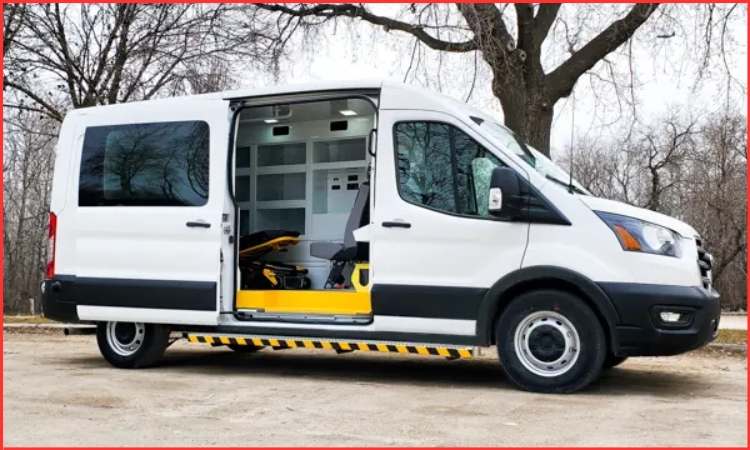
In rural India, where more than 65% of the population lives, has major gaps in healthcare services. Lack of efficient primary healthcare centres, maternal care gaps, and delayed diagnosis cost lives every day. Mobile health vans can bridge the urban-rural healthcare divide by offering diagnostic and consultation services directly to doorsteps.
These mobile health vans, by integrating technology, can offer general check-ups, blood tests, portable X-rays, ECGs, and vaccinations in rural villages, industrial zones, and schools. In addition, a follow-up application will help people track their health.
Revenue Model:
- Government Partnerships
- Subscription Plans for Communities
- Pay-Per-Service
- NGO and business partnerships
Hyperlocal organic stores
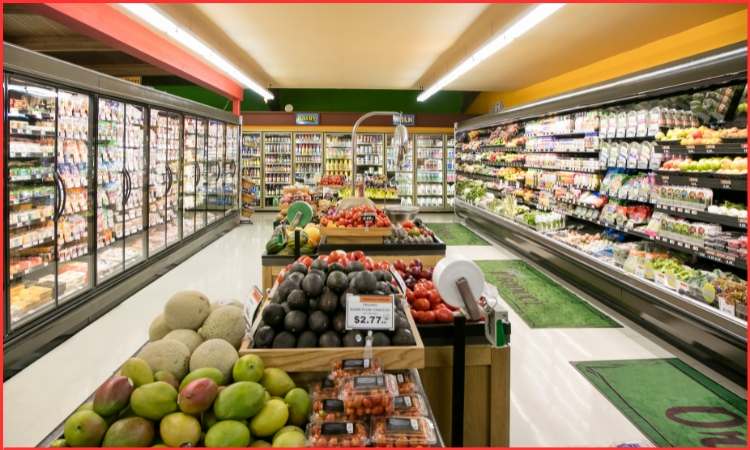
In 2026, Tier-1 and Tier-2 cities are actively demanding fresh, local, chemical-free produce. Especially after the pandemic, with a rising lifestyle, consumers are demanding immunity-boosting and pesticide-free food.
Set up a hyperlocal organic store in partnership with local organic farmers or communities supported by agriculture groups. Offer options for digital ordering and even subscription baskets, like a weekly vegetable or fruit basket.
Revenue Model:
- Retail Sales [Offline + Online]
- Weekly or Monthly subscription baskets.
- Annual memberships include workshops, farm visits, and other exclusive benefits.
Digital Detox Cafes
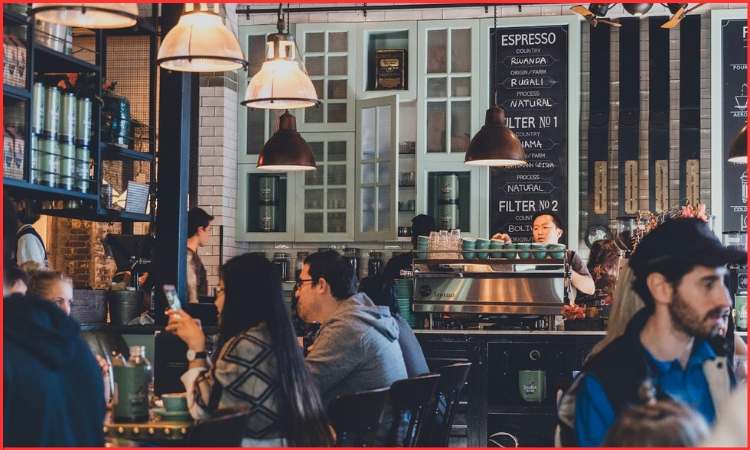
With increasing daily spending on screen time, there is a rise in stress, burnout, sleep disorders, and anxiety among people. A digital detox cafe can offer a safe, calming environment to disconnect, recharge, and socialise without screens.
This cafe can act as a luxury for urban millennials and Gen Z, demanding ‘offline time’. The concept of the cafe will be ‘no-phone zones’ where customers will enjoy meals, conversations, workshops, games and many more.
Revenue Model:
- Food & Beverage Sales.
- Membership Programs.
- Corporate Tie-ups and events/ workshops.
Hydroponic Farming Kits
Source: Artechno Growsystems
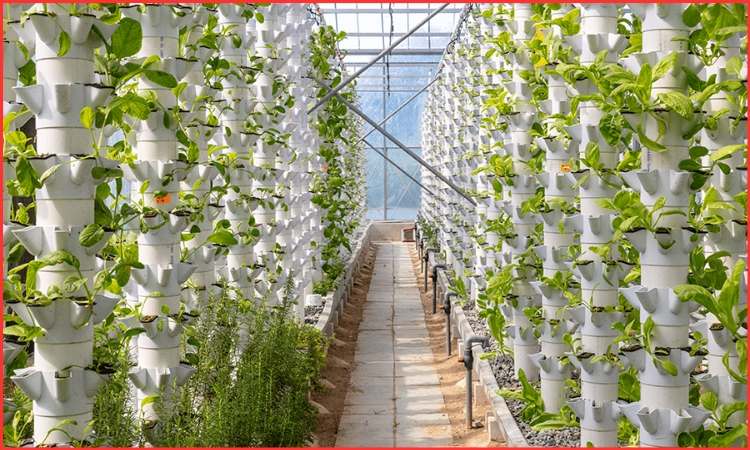
Urban India faces the problem of limited land and agricultural production, with pesticide use in huge quantities. Hence, hydroponic farming that uses less soil and solutions of nutrients for producing 10x more yield in smaller spaces with 90% less water can be an efficient solution for Urban India.
Create hydroponic kits for individuals and small businesses to grow fresh vegetables at small commercial setups, or home or on a rooftop. Target households for DIY kits, restaurants & cafes for on-site fresh greens or schools for spreading awareness and knowledge.
Revenue Model:
- Direct product sales and subscription sales.
- B2B installations and partnerships with real estate.
- Workshops & Training.
Solar-Powered Cold Storage for farmers
Source: Indiamart
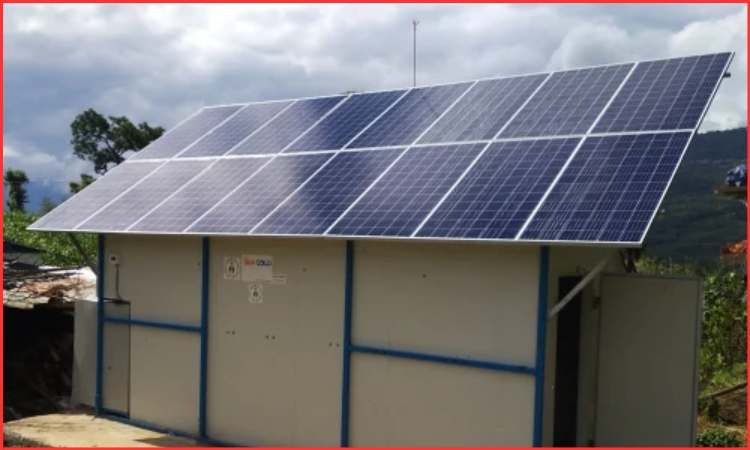
India loses around 30-40% of fruits and vegetables freshly harvested due to a lack of cold storage. In addition, small and marginal farmers are not able to afford diesel-powered cold rooms or expensive logistics. Hence, a solar-powered cold storage is a sustainable, cost-effective, and decentralised solution.
Create various business model options, like the Farmers Co-op model, Pay-per-Use model, and B2B partnership model, where the targeted farmers can avail these services according to their quantity of produce. Use IoT monitoring for maintaining temperature and efficiency.
Revenue Model:
- Pay-per-Use Storage.
- Offer units on lease.
- Partner with the government for rural sustainability projects.
- Sell carbon credits in the global market.
Conclusion
From AI to Agriculture, each idea is practical, scalable, and relevant in India’s fast-changing economy. Whether it’s eco-tourism supporting communities, hydroponic kits for rooftops, or mobile health vans bridging healthcare gaps, the opportunity lies in solving real problems.
If you plan to start in 2026, choose the idea that excites you most and focus on execution. In this dynamic landscape, demand is rising; this is your time to meet it with the Best Business Ideas in India.
FAQs: Best Business Ideas in India for 2026
Q-1 What are the most profitable business ideas to start in 2026?
AI-powered legal assistants, hydroponic farming kits, mobile health vans, and hyperlocal organic stores are among the Best Business Ideas in India for 2026.
Q-2 What business ideas work well in Tier-2 and rural India?
Voice-based rural commerce platforms, micro-investment apps and mobile health vans are the business ideas that will work well in Tier-2 and rural India.
Q-3 What sectors will grow the fastest in 2026?
AI, agriculture tech, health tech, tourism, and renewable energy are expected to grow fastest in 2026.