Source: thelifesciencesmagazines
The healthcare industry is undergoing rapid transformation, creating massive opportunities for healthtech startup ideas. Emerging technologies such as Artificial Intelligence (AI), wearable devices, telemedicine, mobile health apps, and blockchain are making healthcare more accurate, accessible, and affordable.
The global healthtech market is projected to reach USD 900 billion, growing at a CAGR of ~16% (Statista, Deloitte). This growth presents a tremendous opportunity for new businesses. Healthtech startups are attracting attention from entrepreneurs, investors, and even hospitals. By combining medical knowledge with digital solutions, startups can address critical challenges like remote healthcare access, faster diagnosis, and chronic disease management.
This article explores the most promising healthtech startup ideas for 2026, ideas that can improve lives, create efficiency, and make healthcare more accessible worldwide.
1. AI-Powered Diagnostics Platforms
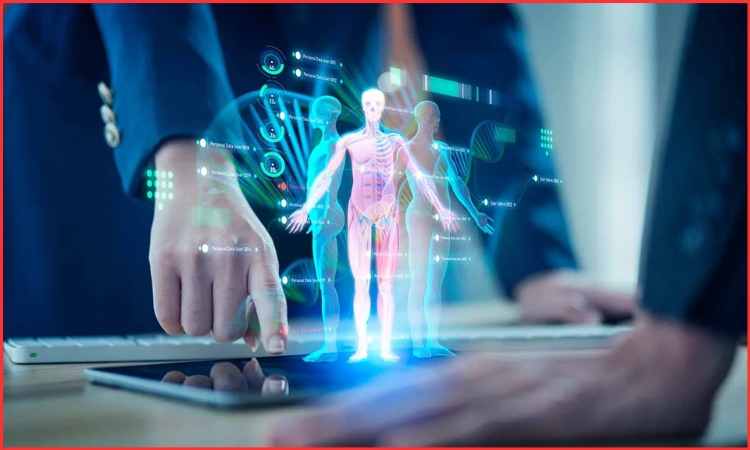
AI has transformed how diseases are diagnosed, making diagnoses more accurate and accessible. Traditionally, diagnosing conditions like diabetes, cancer, or heart disease could take weeks. Today, AI can analyze scans, lab results, and patient histories within minutes. The global AI in medical diagnostics market is expected to exceed USD 6.9 billion.
Benefits:
- Doctors can focus more on treatment than paperwork
- Faster diagnosis of diseases
- Reduced human error in reports
- 24/7 access to medical analysis
2. Virtual Healthcare & Telemedicine Platforms
The last few years have led to the rapid growth of telemedicine, allowing patients to connect with a doctor without the need to see a doctor in person. Patients in Tier-2/3 cities, elderly populations, and working professionals increasingly rely on teleconsultations for accessible care. This is helpful for elderly patients who face mobility challenges. The Indian telemedicine market alone is projected to reach USD 5.5 billion.
Benefits:
- Integrates appointments, prescriptions, medicines, and lab tests in one app
- Saves time and travel costs
- Provides round-the-clock healthcare access
- Expands medical access to Tier-2 and Tier-3 cities
3. Wearable Health Devices & Remote Monitoring
Source: Bethesda Health
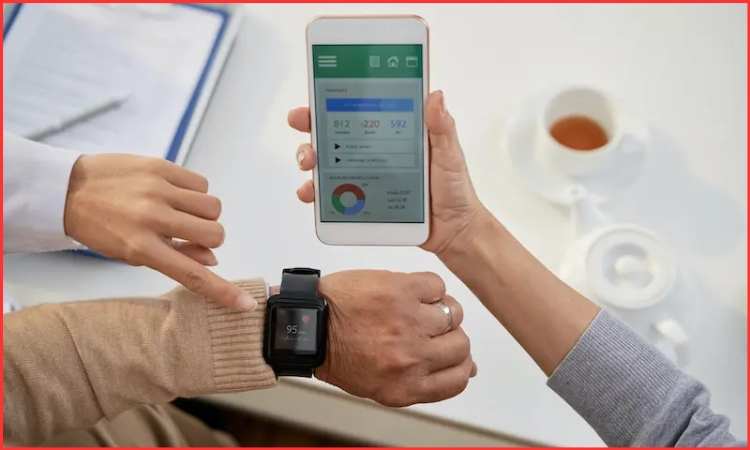
Recent advancements in health technology have transformed how people track their health and manage it. Devices like smartwatches, fitness bands, and biosensors can now track your health data, including heart rate, oxygenation, sleep cycles, blood pressure, and even blood sugar levels, in real time. The Apple Watch already has FDA clearance for ECG monitoring, proving consumer adoption of medical-grade wearables. The global wearable medical devices market is expected to hit USD 30 billion.
Benefits:
- Encourages a health-conscious lifestyle
- Early detection of health risks
- Real-time monitoring of chronic conditions
- Emergency alerts to doctors or family
4. Digital Mental Health Platforms
Mental health conditions such as stress, anxiety, and depression are impacting more people due to fast-paced lifestyles, work demands, and societal pressures. Many people are still reluctant to seek the help they need because of the stigma associated with accessing a clinic or because of the high costs and barriers in accessing therapy. Mental health apps are expected to grow at 20% CAGR, reaching USD 15 billion.
Benefits:
- Employers can use them for workplace wellness programs
- 24/7 mental health support
- Anonymity reduces stigma around therapy
- Affordable and accessible to millions
5. Personalized Nutrition & Diet Apps

Source: tinq-1314
One-size-fits-all diets don’t work for food and health because everyone has a different body, metabolism and lifestyle. Personalized nutrition is when food systems use AI and health data to create personalized diet plans just for them. The food recommendations won’t be generic but actually based on their personal needs, goals, and even medical history. DNA-based and genomics-driven diet plans are already entering Western markets and are expected to expand globally
Benefits:
- Encourages long-term healthy habits
- Prevents lifestyle diseases like obesity, diabetes, hypertension
- Creates custom meal plans for individuals
- Can integrate with food delivery apps
6. Blockchain for Medical Records
In healthcare, one of the biggest challenges is keeping medical records safe and easy to access. Most people will visit multiple hospitals and clinics; collecting their health data often gets scattered or even lost. Assuming good health through adulthood, how can you identify your past medical records, and what data privacy issues exist today regarding who can see your medical history and if the actual record can be hacked? Healthcare blockchain market is projected to reach USD 5 billion.
Benefits:
- Patients control who sees their medical history
- Data privacy and security ensured
- Eliminates duplicate tests and paperwork
- Instant access during emergencies
7. Home Diagnostic Kits
Source: wfla
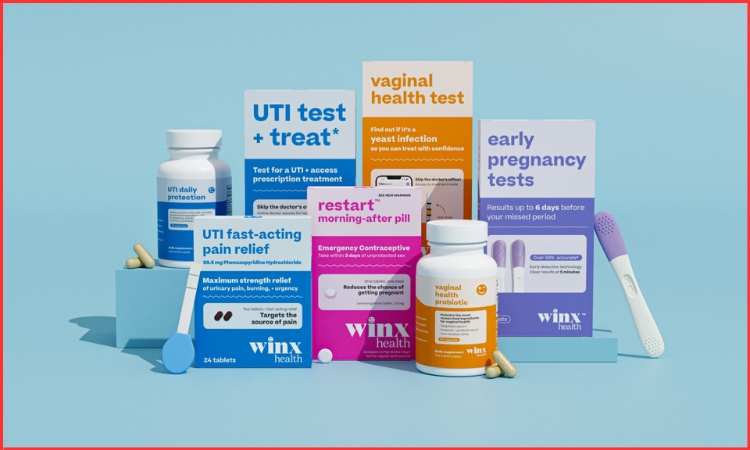
In the past years, more and more people have turned to testing their health at home, rather than going to a clinic for a check-up every single time. A home diagnostic kit gives someone the ability to make sure their blood sugar levels are good, track their cholesterol, or deliver kits for certain infections. Home diagnostic kits have made healthcare more convenient. The global home diagnostics market is projected to reach USD 8.5 billion.
Benefits:
- Saves time for both patients and doctors
- Quick and affordable check-ups at home
- Reduces hospital crowding
- Encourages early disease detection
8. AI-Powered Drug Discovery
Developing new medicines often takes a long time and costs a lot for a drug to become available for patients in the market. This process means patients will sometimes wait too long for life-saving medicine. AI will change all that. It can assess millions of different chemical compounds in a short period and identify which ones have the highest chance of working as a medicine. It can also predict how these compounds will behave inside the human body, so researchers and scientists can spend less time studying and evaluating structural activities.
Benefits:
- Supports global pharma innovation
- Faster development of life-saving medicines
- Reduces R&D costs by 30–50%
- Helps target rare and genetic diseases
9. Elderly Care & Assisted Living Tech
The aging population is on the rise across the globe. The large population of older adults requires assistance with activities of daily living, health issues, and safety in their home environments. Oftentimes, families are not able to be with the older adult consistently, which can cause stress and worry.
One useful solution would be to create a home system that uses technology designed for the home care of older adults. The system can include fall detection sensors, voice activation devices for reminders (such as medication schedules), and health check monitoring devices to check health indicators (such as blood pressure, heart rate or glucose, etc.) and send this information to family and caregivers in real time.
Benefits:
- Reduces stress for caregivers and families
- Improves quality of life for elderly people
- Provides real-time health updates to families
- Ensures safety through monitoring systems
10. VR/AR for Medical Training
Source: jasoren
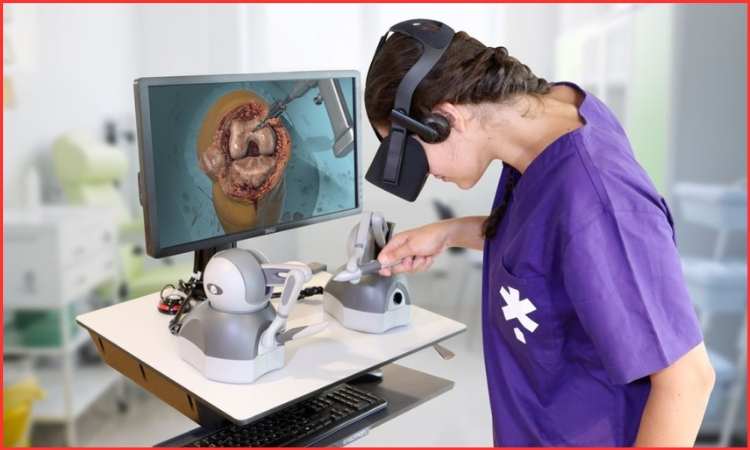
Training doctors, nurses and medical students requires time to develop their skills through real practice, but at this level of training, there is a serious risk of co-opting and using real patients. Virtual Reality (VR) and Augmented Reality (AR) are more realistic 3D simulations for practicing skills, where they can practice their skills before undertaking a real patient without any risk. VR in healthcare training is projected to reach USD 3.8 billion.
Benefits:
- Improves patient safety in real-life scenarios
- Risk-free training for students and doctors
- Reduces training costs for hospitals
- Creates realistic learning experiences
Conclusion
Healthtech startup ideas for 2026 are not exclusively businesses; they are opportunities to save lives, provide better access to healthcare, and improve quality of life. Healthtech startup ideas incorporate a wide array of technologies, from AI technologies in healthcare diagnostics to blockchain in healthcare, telemedicine platforms, and personalized nutrition applications. Healthtech has the potential to revolutionize the industry.
While entrepreneurs are innovating, they are also balancing out by creating solutions that comply with regulations, offering strong data privacy, providing affordable solutions, and being easy to adopt. The most successful healthtech startups will not just build a profitable business but help create social impact that will endure over time.
FAQs: Top Healthtech Startup Ideas
1. Why are healthtech startup ideas important in 2026?
Because they tackle major healthcare challenges like limited access, chronic disease management, and overcrowded hospitals—while using AI, telemedicine, and wearables to make healthcare more affordable and equitable.
2. Do I need to be a doctor to start a healthtech company?
Not necessarily. Many successful founders are technologists, but collaborating with medical professionals is essential for accuracy, compliance, and patient safety.
3. How will AI in healthcare create opportunities?
AI improves diagnosis, drug discovery, and personalized treatment, reducing risks and saving doctors’ time while enhancing patient outcomes.
4. What are the risks for healthtech startups?
Key risks include regulatory hurdles, cybersecurity threats, data privacy issues, and adoption challenges among patients and doctors.
5. Can healthtech startups be profitable?
Yes, if they solve real healthcare problems at affordable costs. Scalable, safe, and trusted solutions have strong profit potential.