India’s narrative is about resilience, innovation, and an indomitable spirit of entrepreneurism. From the busy markets in Delhi to the isolated hilltop villages of Himachal Pradesh, every inch of this vast country is alive with life, energy, and dreams. But for all its frenzied modern development, India faces a critical challenge: it must ensure that its development reaches its most remote and smallest towns and villages. It must connect every PIN code, which represents a part of geography, for all areas to experience inclusive development and economic empowerment. India is building a country where no community gets left behind.
India is moving forward digitally and economically, and within the economy, small & medium enterprises (SMEs) continue to be the engine of the economy, facilitating transformational opportunities for many into the future. SMEs are aware of the challenges of infrastructure, tools, and opportunities, and they are agile and willing to create sustainable businesses while playing their part in promoting economic growth in India. However, to enable them to participate fully in this journey, it is imperative that we bridge the geographical and infrastructural gaps that continue to hold them back.
Addressing these challenges is not facile; however, if there are innovative solutions, and appropriate business and strategic investments, we have the capability to work together to turn challenges into India’s greatest opportunities.
The Vital Role of Small and Medium Enterprises in India
Small and Medium Enterprises (SMEs) are at the core of India’s rapidly changing economy. They have become the foundation for growth, job creation, and cultural maintenance in the country. These enterprises are much more than economic units or properties – they form the arteries of the community to create resources that support local businesses.
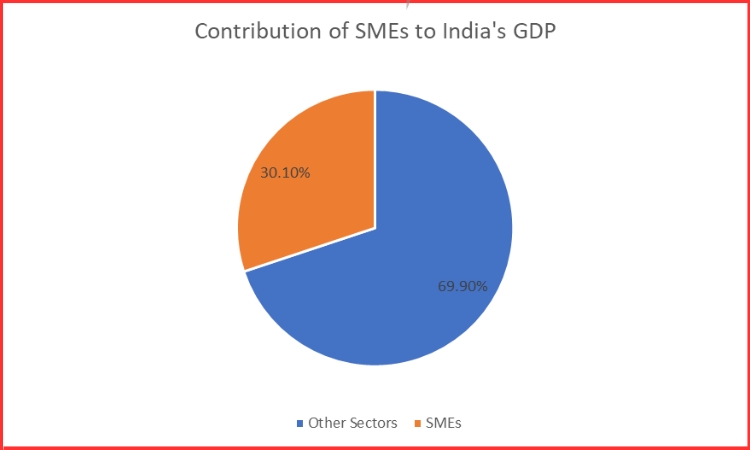
According to the Ministry of Micro, Small and Medium Enterprises, the sector produces approximately 30.1% of India’s gross domestic product (GDP), demonstrating its significance and role in the growth of the national economy. This statistic highlights that economic growth is heavily influenced by the size and scope of the sector, which comprises a wide variety of small and medium businesses operating across multiple industries, often in some of the most rural and underdeveloped areas of the country.
Employment is another massive area where SMEs perform. Over 110 million people are employed through SMEs, making it one of the largest sources of formal and informal employment opportunities. The nature of employment varies widely, spanning activities from the craft-based economy—including design, development, and production—to technology-driven enterprises. This broad range of business types supported by SMEs results in widespread employment, contributing significantly to the economy without any substantial decline in their overall contributions.

The spectrum of SMEs is broad, encompassing activities such as artisans creating intricate handicrafts and textiles, farmers cultivating crops, traders and shopkeepers managing local stores, and entrepreneurs establishing startups in the technology sector. Each of these businesses plays a vital role in maintaining the social and economic fabric of their respective regions. For example:
- Artisans and craftsmen preserve centuries-old traditions through their handmade products, which not only provide livelihoods but also promote India’s cultural heritage on national and international stages.
- Farmers and agricultural entrepreneurs ensure food security and rural employment, with many producing organic or specialty crops that cater to niche markets.
- Local shopkeepers and retailers serve the immediate needs of their communities, often acting as the primary access point for essential goods and services.
- Tech startups and innovators in India’s emerging cities and technology corridors are redefining industries and creating new employment opportunities, positioning India as a global hub for innovation.
Despite their importance, SMEs face numerous challenges that hinder their growth and potential. Limited access to formal credit, inadequate infrastructure, bureaucratic hurdles, and the digital divide are some of the significant obstacles they encounter. In rural and remote areas, these challenges are often magnified, making it difficult for local entrepreneurs to expand their reach or modernize their operations.
Nevertheless, SMEs remain central to India’s development story. They act as catalysts for economic diversification, regional development, and social inclusiveness. Their resilience and adaptability have enabled many to survive economic downturns and disruptions, reinforcing their vital role in India’s ongoing journey toward becoming a developed and inclusive economy.
Statistics point to their significance:
- Rural SMEs account for nearly 28 crore people to date
- Over 70% of India’s agricultural produce is sold by smallholder farmers, either directly or through local markets, underscoring their critical role in sustaining rural livelihoods.
These figures underscore the importance of SMEs, not just as economic contributors, but as vital sources of livelihood and community resilience. Yet, many face populational hurdles—limited access to markets, credit, digital infrastructure, and logistics—that impede their growth and reach.
The Geographical Landscape and Its Challenges
India’s immense size and diverse landscape are both its greatest treasure and its toughest challenge. Spanning countless terrains—from the desert sands of Rajasthan to the lush, forested hills of the Northeast—the country is a mosaic of geography and culture. With over 1.3 million postal codes (PINs), India’s postal and logistics networks are designed to forge connections with every village, town, and city. These codes serve as detailed markers, mapping even the most secluded corners so they can be identified and referenced precisely. They also underpin the logistics of delivering goods, services, and messages, ensuring targeted and efficient distribution across the country.
But reality paints a more complicated picture. Reaching many of these places remains a formidable challenge. In regions like Himachal Pradesh, Uttarakhand,and parts of Ladakh, the rugged mountain and hilly terrains make transportation an arduous task. For these areas, access often feels like an adventure, reachable only by difficult mountain trails or special air travel. During winter months, when snow blankets the passes, some villages become completely cut off, with roads buried under snow and inaccessible by conventional vehicles.
Adding to these challenges are riverine and delta zones, such as Assam and other parts of the Northeast, where the lack of bridges and reliance on boats creates logistical bottlenecks. Communities dependent on ferries or boats face prolonged delays in distributing essentials, which hampers economic activity and access to vital services.
The terrain complicates more than just transportation. It exposes the deep-rooted issues of under-investment in public infrastructure—poorly maintained roads, inconsistent electricity supply, and limited internet connectivity—all sectors that play a crucial role in connecting these remote communities. Despite a robust PIN code system, the reality remains that the complexity of India’s diverse landscape makes achieving seamless connectivity an ongoing and formidable challenge.
Natural Barriers to Connectivity in India
India’s geographic richness also means cultural diversity, but it comes with significant infrastructural hurdles. Various regions—such as Himachal Pradesh, Uttarakhand, the Northeastern states, and certain parts of Rajasthan—feature rugged terrains, mountain ranges, and waterways that make transportation and communication difficult.
Mountains and Applications
The Himalayan regions, including Ladakh, Sikkim, and Arunachal Pradesh, present some of the most persistent challenges. These areas are often inaccessible by standard roads; mountain passes are perilous, especially in winter when snow covers the routes. Winding, narrow roads mean that many villages are cut off for weeks or months at a time. Some of these communities can only be reached through rugged routes that require specially equipped vehicles or, at times, by air,making the transportation of goods, medical aid, and essential services exceedingly expensive and logistically complicated. These physical barriers not only isolate regions from economic activity but also hinder the delivery of healthcare, education, and banking services, further deepening their remoteness.
Water Bodies and Riverine Barriers
Similarly, regions dominated by rivers and waterlogged areas—like the delta zones of West Bengal, Assam, and the Northeastern states—face their unique hurdles. Many villages and towns depend on boats for day-to-day communication, and the limited infrastructure of bridges further restricts movement. The reliance on ferries and boats leads to longer travel times, higher costs, and logistical delays, making it harder for small businesses to access larger markets or for rural residents to tap into broader economic opportunities.
Infrastructural Deficits and Their Consequences
India’s natural landscape might be breathtaking, but it does little to hide the infrastructural gaps that remain stubbornly unfilled. Nature’s geography is not to blame—yet, the challenges it creates are undeniable. According to NITI Aayog, only about 60% of rural roads are paved and accessible throughout the year. During the monsoon season, these roads often turn into muddy, flooded pathways, rendering entire communities cut off from the rest of the world. Poor maintenance and weather conditions compound the problem, trapping villagers in a cycle of isolation during crucial times.
Power infrastructure tells a similar story. Many remote villages still lack reliable electricity, making daily life and local businesses difficult to sustain. Without consistent power, small-scale industries, farm-produced goods, and even everyday household needs suffer. Productivity drops, opportunities for growth shrink, and local economies struggle to thrive when the vital spark of electricity is unreliable or absent altogether.
The uneven spread of internet connectivity only widens the digital gap. In urban areas, broadband speeds often exceed 80%, facilitating smooth online transactions, digital payments, and e-governance. Meanwhile, rural districts—despite efforts—see broadband rates hovering around 45% (TRAI, 2023). This digital divide leaves small entrepreneurs and farmers unable to fully leverage the promised benefits of technology, impeding their ability to reach broader markets, promote their products online, or access vital financial services. The gap isn’t just about technology—it’s about opportunity, equity, and the chance for rural communities to participate in the wider economy.
Statistical Insights into Connectivity
The stark reality of infrastructure and connectivity disparities cannot be ignored. In 2022, onlyabout half of India’s villages had access to banking services. This statistic highlights how financial inclusion remains elusive in isolated regions. Many rural residents depend on cash transactions, mobile banking, and limited banking facilities that restrict their economic participation. Such gaps make it difficult for small businesses to grow and for entrepreneurs to expand their reach.
The difference in internet access is just as pronounced. Urban centers enjoy broadband speeds exceeding 80%, supporting seamless digital transactions, online shopping, and business growth. In stark contrast, rural districts experience speeds closer to 45%, curbing their ability to tap into the digital economy. This disparity prevents small farmers, artisans, and entrepreneurs from harnessing online platforms for direct-to-consumer sales, marketing, and financial inclusion, limiting their growth potential and widening the divide.
Impact on Small Businesses and Rural Economies
The consequences of these infrastructural gaps ripple out into the real economy. Limited transportation options mean that farmers often depend heavily on middlemen to sell their crops, yielding low prices and reduced profits. When direct access to markets remains a distant dream, farmers and artisans operate on razor-thin margins, vulnerable to market fluctuations and economic shocks.
Artisans—those who craft beautiful textiles, jewelry, pottery, and other handcrafted items—find themselves unable to reach larger markets with ease. The logistical hurdles keep their growth confined to small local markets, preventing them from scaling up and earning a fair, sustainable income.
Meanwhile, shopkeepers and retailers in small towns face frequent supply chain disruptions. Unreliable logistics cause shortages or excess stock, limiting variety and consumer choice. This not only hampers local businesses but also slows down the overall economic progress of the community.
Broader Socioeconomic Impacts
The infrastructural and digital gaps have far-reaching consequences on broader socioeconomic development. Research shows that:
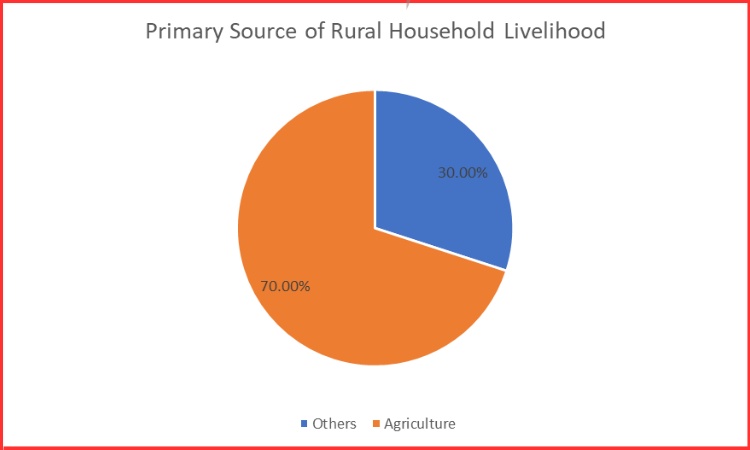
•Nearly 70% of rural households still depend primarily on agriculture, with limited opportunities for diversification into other income streams.
•Less than 40% of rural residents are digitally literate, blocking their access to online marketplaces, digital payments, and other financial tools that could lift them out of poverty.
These digital and infrastructural divides hamper efforts to promote inclusive growth, e-commerce, and digital governance. As a result, many rural communities remain on the margins of the economy, unable to fully participate or benefit from national progress.
Author: Aakash Sharma
India Business Head, Solv