Source: COSE
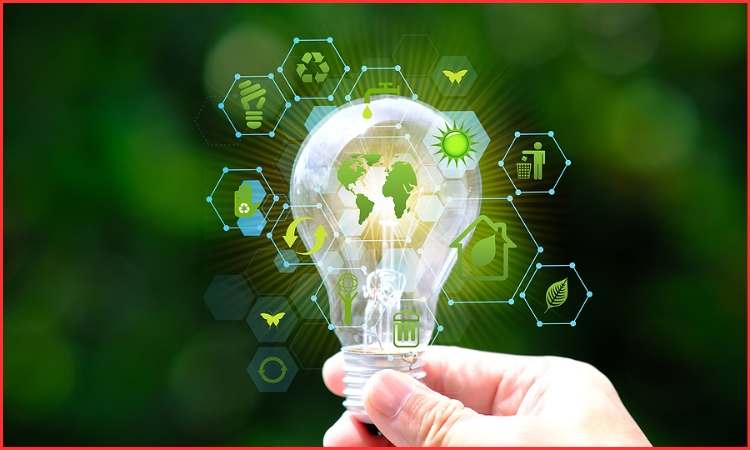
It is a great feeling to see all nations working together to address the growing environmental concerns by developing and sharing solutions that startups, small and medium-sized businesses, and large MNCs can easily adopt. Dubai has played a significant role in providing sustainable solutions and promoting them through initiatives, regulations, and policies, thereby fostering a competitive and eco-conscious business environment. Therefore, here are the Top 10 Sustainable Business Trends in Dubai along with their initiatives for optimising business development.
| S.no. | Sustainable Business Trends |
| 1. | Circular Economy |
| 2. | Water Conservation |
| 3. | Green Finance and Sustainable Investments |
| 4. | Green Technology |
| 5. | ESG Reporting |
| 6. | Sustainable Packaging |
| 7. | Climate Impact Transparency |
| 8. | Sustainable Agriculture |
| 9. | Increase in demand for Organic food |
| 10. | Eco-friendly Retail and Services |
Dubai’s Sustainability Initiatives for Optimising Business Development
- Mohammed Bin Rashid Al Maktoum Solar Park: It is the world’s largest single-site solar facility based on photovoltaic and Concentrated Solar Power [CSP] technologies, aiming to achieve a production capacity of 5,000 MW by 2030. With investments reaching AED 50 billion, the solar park is expected to significantly reduce carbon emissions by over 6.5 million tons annually upon its completion. Thus, transforming Dubai into a global hub for clean energy and a green economy.
- Expo 2020 Sustainability Pavilion: Expo 2020 showcased the Sustainability Pavilion, highlighting the innovative solutions for a sustainable future. It exemplifies the potential for buildings and their communities to be self-sustaining and regenerative by merging design and technology to create net-zero energy and water usage buildings.
- Green Building Regulations: These guidelines ensure that new buildings use sustainable construction practices and are energy-efficient and environmentally friendly, reducing the overall carbon footprint. It reflects Dubai’s commitment to enhancing sustainability by improving public health and safety.
- Green Economy for Sustainable Development: With this initiative, the UAE aims to become a global hub and model for the green economy by becoming a centre for the export and re-export of green products and technologies. Thus, enhancing competitiveness and sustainability while preserving the environment for future generations.
- Dubai Clean Energy Strategy 2050: This strategy aims to make Dubai a global hub for clean energy and the world’s lowest carbon footprint by 2050. The strategy is to include using clean energy sources with use of AI and nanotechnology to provide 75% of Dubai’s energy needs by mid-century.
Top 10 Sustainable Business Trends in Dubai
1. Circular Economy
The shift to the circular economy has encouraged many businesses to minimise waste, redesign their products, innovate with new materials, and more. With its increasing adoption, early adopters who prioritise sustainability and resource efficiency are seizing many new market opportunities.
Example: Bee’ah’s Tyre Recycling Plant produces materials like rubber matting for playgrounds from shredded tires. This facility is equipped to process up to 3 million tyres every year, reducing land waste and preventing water pollution.
2. Water Conservation
Many water-efficient technologies like greywater recycling, drip irrigation, low-flow fixtures, and other various technologies are being practised to reduce operating costs. This also helps businesses to adapt to the challenges of water scarcity and climate change, in the long-term success of the region.
Example: Queen Elizabeth 2 Hotel has installed water-saving fixtures and encourages guests to use water wisely, to reduce water consumption while maintaining customer satisfaction. This reduces environmental impacts and also enhances reputation.
3. Green Finance and Sustainable Investments
Green Finance encourages investors and businesses to invest in solar power, wind energy, and other renewable energy sources, so that dependency on fossil fuels, which are on the verge of extinction, can be reduced. Sustainable investments are being widely practised in developing sustainable transportation systems and various sustainable infrastructure projects.
Example: Dubai has actively issued green bonds and sukuk [Islamic bonds] to finance sustainable projects, including renewable energy, energy efficiency, and sustainable infrastructure.
4. Green Technology
Majorly, all businesses as well as the government have started adopting various innovative technologies like AI, IoT, Automation, etc, to reduce costs, attract environmentally conscious customers, and improve efficiency in operations. Many new cleantech startups are also established in Dubai, offering innovative solutions for sustainable approaches.
Example: Dubai Electricity and Water Authority [DEWA] uses smart grid technology and IoT-based smart meters to optimise energy distribution, predict before-time maintenance needs, and increase efficiency.
5. ESG Reporting
ESG Reporting is encouraging businesses to adapt to sustainability and transparency, widely influencing investment decisions and long-term strategies. The businesses that are embracing strong ESG performance are recognised as trustworthy and reputable firms among customers and investors.
Example: Emaar Properties is being recognised for their contribution to social, environmental, and other philanthropic activities, with transparency reporting. This attracts more investors, reduces operational costs, and also enhances reputation in the market.
6. Sustainable Packaging
Businesses have started using recyclable and compostable materials to reduce land waste. Initially, businesses have suffered from higher investments. But with increased operational efficiency and reduced waste disposal costs, they are saving in the long term.
Example: Ounass, a fashion portal in Dubai, has started using locally manufactured eco-friendly boxes for all their orders, shifting to sustainable practices from luxury retail.
7. Climate Impact Transparency
Many businesses have started offering information about their carbon footprint in delivering each product, allowing consumers to acknowledge it and make low-impact selections. Businesses that have integrated this approach have experienced a boost of 30% in their credibility.
Example: Evakind is an e-commerce platform offering environmentally friendly, sustainable, and ethical products from brands that prioritise eco-conscious practices.
8. Sustainable Agriculture
Vertical farming has become a prominent contributor to Dubai’s agricultural sector. Additionally, advanced technologies like AI and ML are being practised to optimise the conditions of plants, test soil, and weather forecasts. Thus, providing guidelines for the quantity of pesticides, manure, and water that should be used for efficient growth.
Example: The Bustanica Facility, near Al Maktoum International Airport, is the largest vertical farm in the world, growing over 1,000,000 kilograms of leafy greens annually and using 95% less water than traditional methods. Thus, growing nutritious produce with less water.
9. Increase in demand for Organic Food.
UAE’s organic food market is expected to reach $47.71 million by 2030 from $42.56 million in 2023. This increase in demand for organic food is driven by increasing health consciousness, environmental awareness, and government initiatives for sustainable farming.
Example: Emirates Bio Farm offers freshly and locally grown certified organic vegetables, fruits, and poultry products.
10. Eco-friendly retail and services
Industries such as fashion, beauty, tourism, hospitality, etc, have adopted sustainable principles to cater for the rising demand for products that do not affect the planet. Transparent labelling, authorised certificates, recyclable materials, waste management and many more are the eco-friendly approaches used in retail and service segments.
Example: The Botanist and Ecolyte DEW offers natural, plant-based, and refillable cleaning products.
Final Thoughts
Dubai is rapidly becoming a global leader in sustainability. Its ambitious approaches, green initiatives, and cutting-edge business solutions are setting a powerful example for its region. From circular economy models and eco-conscious retail to green finance, Dubai has proven that economic growth and environmental responsibility can go hand in hand. As these trends continue to evolve, they are enhancing global competitiveness as well as the way to a greener, more resilient future for businesses and communities.